When planning your roofing project, selecting the right slate material is crucial for achieving optimal durability, aesthetics, and value. While both Spanish and Welsh slates offer exceptional quality, understanding their distinct characteristics will help you make the best choice for your specific needs. This comprehensive guide examines every aspect of these premium roofing materials to help you make an informed decision.
Spanish Slate: Modern Excellence and Value
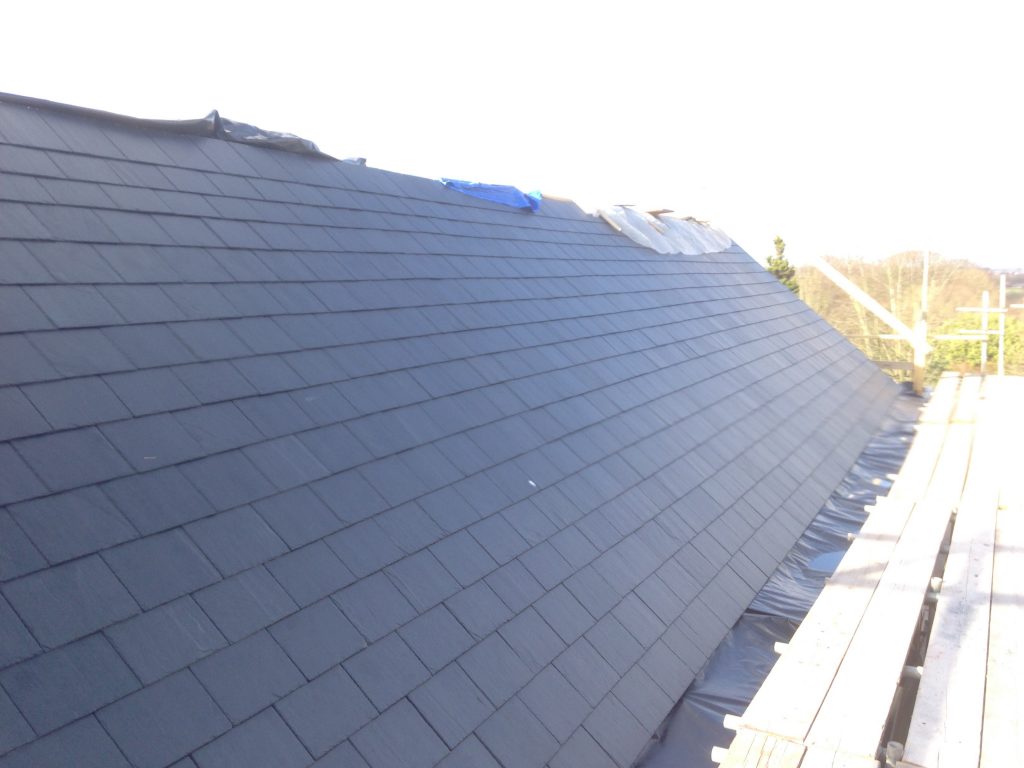
Spanish slate, particularly Del Carmen from the Cabrera Mountains in North‑West Spain, represents outstanding quality and value in the modern slate market. SSQ’s Del Carmen confidently challenges traditional perceptions about slate quality through proven performance, EN 12326 A1‑T1‑S1 classification (highest), and official heritage acceptance in the UK (where appropriate).
Del Carmen Slate: Premium Spanish Quality
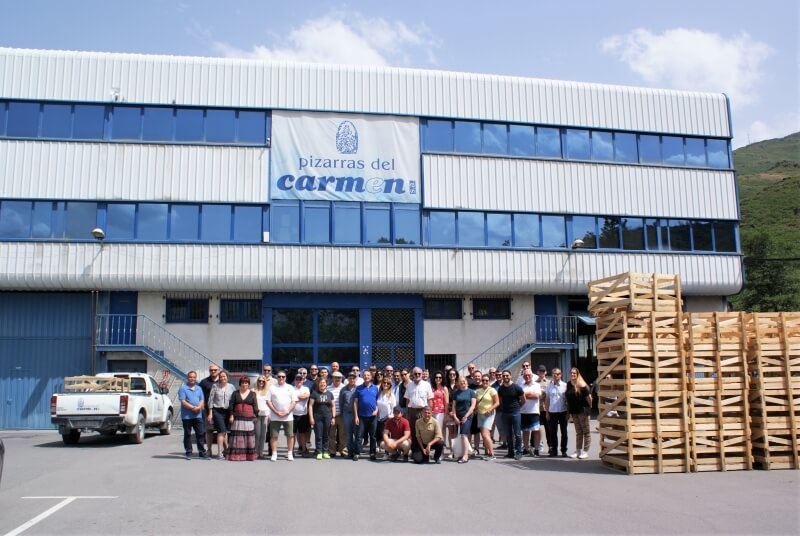
Del Carmen is extracted from one of the largest quarries in North‑West Spain, in an area containing uninterrupted seams of high‑quality slate. SSQ’s 30+ year partnership with the Del Carmen quarry ensures consistent quality and reliable supply.
Key Technical Highlights
- EN 12326 certified: A1‑T1‑S1 (highest classification)
- Water absorption: A1‑compliant for long‑term durability
- Typical thickness: from 3.5 mm with high cleavage accuracy for efficient installation and reduced wastage
- Colour: Deep blue‑black that complements traditional UK roofs
- Texture: Faint ripple with a distinctive natural finish
- Guarantee: Up to 100 years from SSQ on ultra grades
Heritage Recognition
Del Carmen’s quality has earned recognition from UK heritage bodies as a viable alternative to British slates for appropriate projects. This demonstrates its compatibility with traditional Welsh slate in both appearance and performance—always confirm with local planning/conservation requirements.
How Welsh Slate Built Its Heritage Reputation
Welsh slate, quarried from the well‑known Penrhyn, Ffestiniog, and Cwt‑y‑Bugail quarries in North Wales, has a long heritage of use on UK buildings. Originally formed as deep‑water mudstones over hundreds of millions of years, the material is noted for its consistency and long service life when installed and maintained correctly.
Geological Background (heritage context)
Welsh deposits (e.g., Penrhyn) include some of the world’s oldest worked slates. The sediments are notably pure, which supports excellent weathering characteristics and structural integrity.
Technical Performance (heritage context)
Welsh slate is associated with premium performance:
- Water absorption: often very low and A1‑compliant
- Density: traditionally high, supporting durability
- Frost resistance: typically exceeds 600 freeze‑thaw cycles
- Typical thickness: from ~5 mm
- Expected service life: 100–150 years with proper installation
Where Welsh fits best: Where a conservation officer requires like‑for‑like replacement, or a project seeks a specific named quarry or regional visual match.
Spanish slate vs Welsh slate
| Del Carmen Spanish slate | Welsh slate | |
| Price | Medium | High |
| Lifespan | 100+ years | 100+ years |
| Colour | Deep blue-black | Dark blue-grey |
| Texture | Faintly rippled | Riven when naturally split |
| Minimum slate thickness | 3.5mm | 5mm |
| Water Absorption | EN 12326 A1 compliant | EN 12326 A1 compliant |
| Weather resistance | High | High |
| Maintenance | Low | Low |
| Durability | High | High |
| Sustainability | High | High |
| Sustainability | High | High |
| Frost Resistance | 600+ cycles (premium grades) | 600+ cycles |
Certification and Standards
Both slate types comply with EN 12326 European standards, covering mechanical characterisation, weathering resistance and petrological analysis. Del Carmen consistently meets the highest classification (A1‑T1‑S1), while premium Welsh slates are also tested to EN 12326. In practice, both materials provide top‑tier performance when correctly specified and installed.
Installation and Technical Considerations
Minimum Roof Pitch Requirements
Both slate types can be specified from a 25° minimum pitch for standard installations, subject to:
- Local weather exposure conditions
- Slate size and overlap specifications
- Regional building regulation requirements
Fixing and Installation
- Battens: Typically 50 × 25 mm for spans up to 600 mm
- Fixings: Two stainless‑steel nails per slate
- Hole positioning: 20–25 mm from slate edges
- Gauge calculation: Gauge + lap + ~10 mm for nail positioning
- Underlay: Breathable membrane per BS 5534
Environmental Impact and Sustainability
Carbon Footprint (material category comparison)
Natural slate is among the lowest carbon roofing materials due to minimal processing and long life.
| Material | Relative CO₂ Emissions |
| Natural Slate | Very low |
| Copper & alloys | Low–medium |
| Terracotta | Medium |
| Concrete | Medium–higher |
| Fibre cement | Higher |
Sustainable Production
- Minimal processing: Hand‑splitting and low‑energy cutting
- No chemical treatments: 100% natural
- Low water consumption compared to manufactured alternatives
- Recyclable/reusable at end of life
- Longevity reduces replacement frequency
Both Spanish and Welsh slate support green‑building objectives. Always assess whole‑life carbon, not just upfront impact.
Regional Considerations and Building Regulations (UK)
- Structural: Load‑bearing calculations per design
- Thermal: Contributes to overall roof performance
- Fire safety: A1 non‑combustible
- Weather resistance: Suitable across UK climate zones with correct detailing
Planning & Conservation
- Del Carmen Spanish slate: Recognised for heritage use in the UK (confirm with local authority)
- Welsh slate: Frequently specified for like‑for‑like replacement
- Listed buildings / National Parks: Consult conservation officers prior to specification
Premium natural slates | Spanish slate suppliers UK
If you’d like to learn more about our natural Spanish slate products, contact SSQ – Spanish slate suppliers today. Request a quote or a free sample, call us on 020 8961 7725, or contact us online and one of our experts will be in touch as soon as possible.
Related topics of interest:
Natural slate vs synthetic slate – the key differences