Cornwall
Products Used
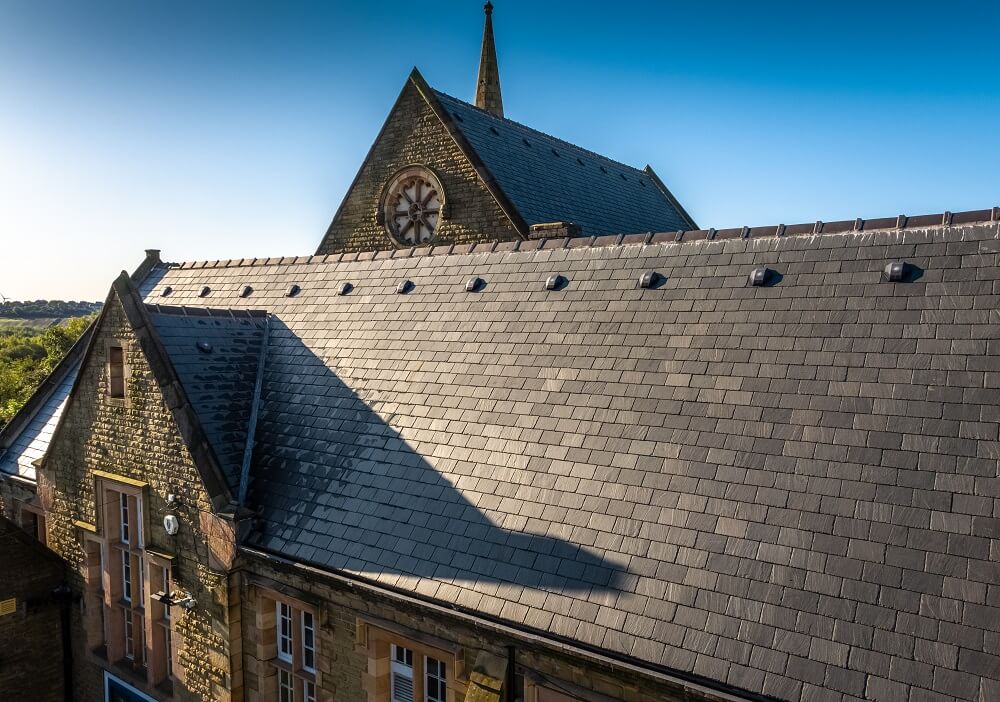
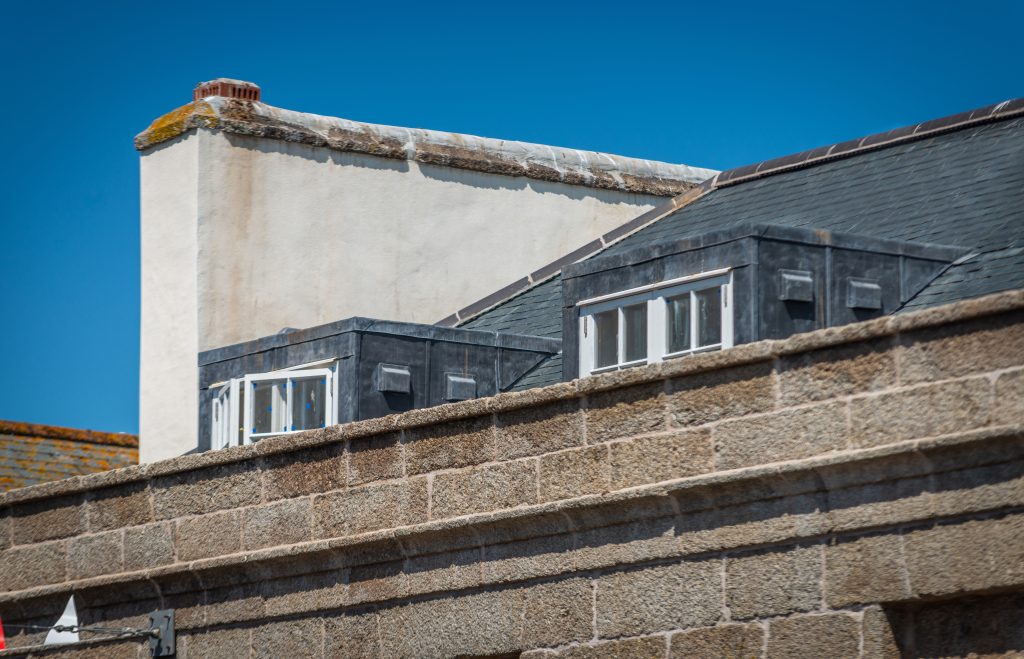
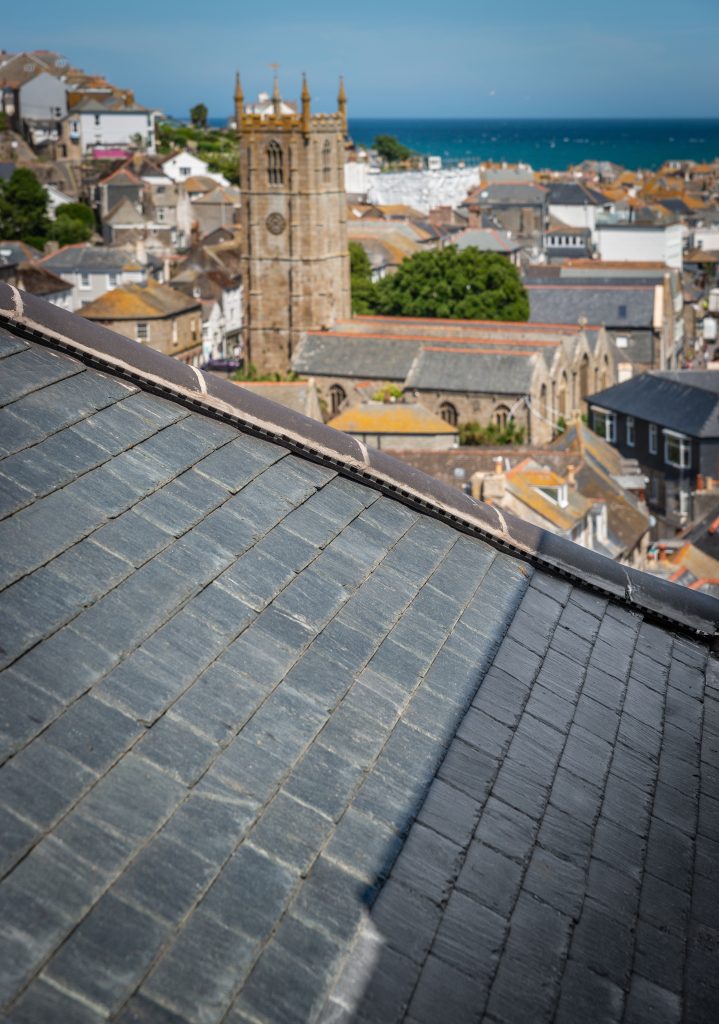
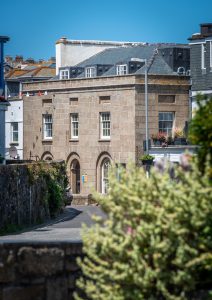
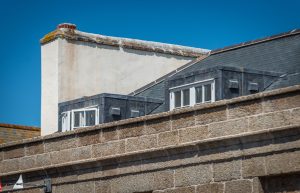
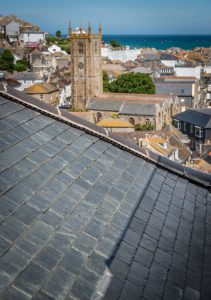
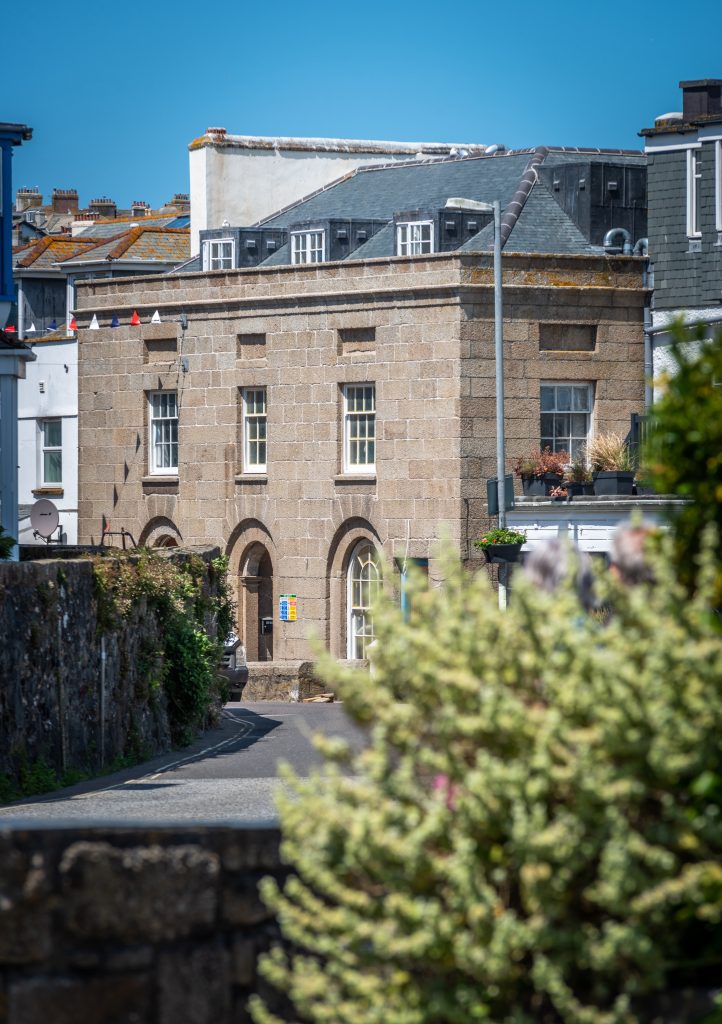
Overlooking the harbour in the heart of St Ives, Cornwall, 6–7 Fernlea Terrace has long been a prominent feature of the townscape. Once the private residence of James Halse, a 19th-century solicitor, mine owner and Member of Parliament, this Grade II listed property has now been redeveloped into The St Ives Bay Workstation, a new enterprise hub supporting sustainable development of Listed Buildings.
Working under the direction of the St Ives Workstation CIC (St Ives Coastal Community Team), Catling Construction carried out the complex re-roofing and redevelopment works.
The project required an authentic, long-lasting natural slate that could satisfy both the conservation requirements of Cornwall Council and the structural needs of the historic building.
The original roof, laid in Delabole slate in random-width, was carefully stripped to allow inspection and repair of the roof structure.
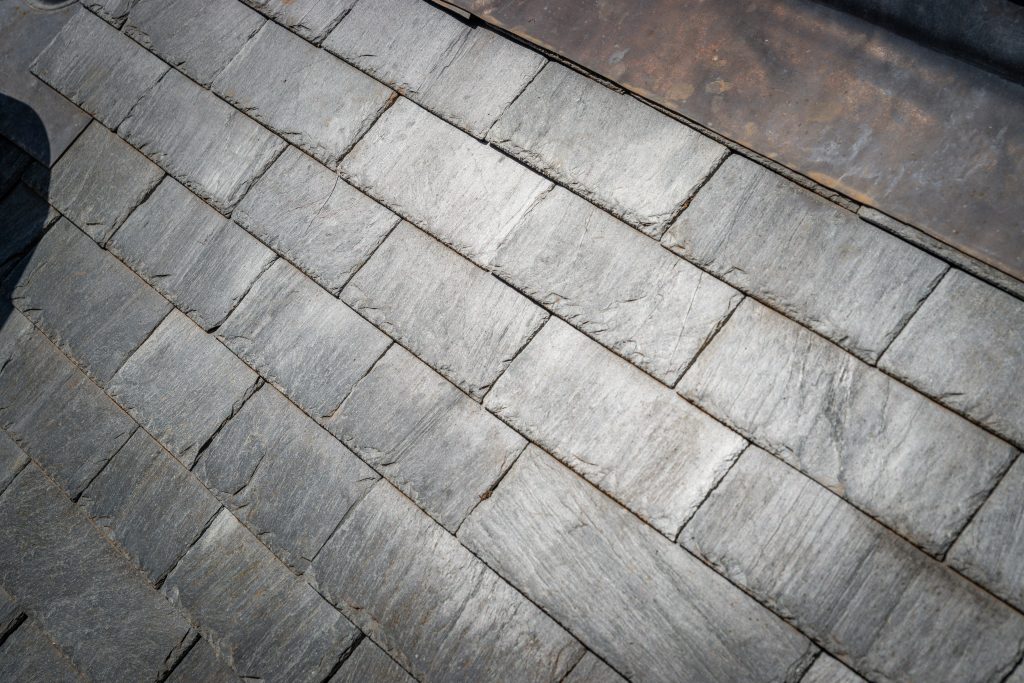
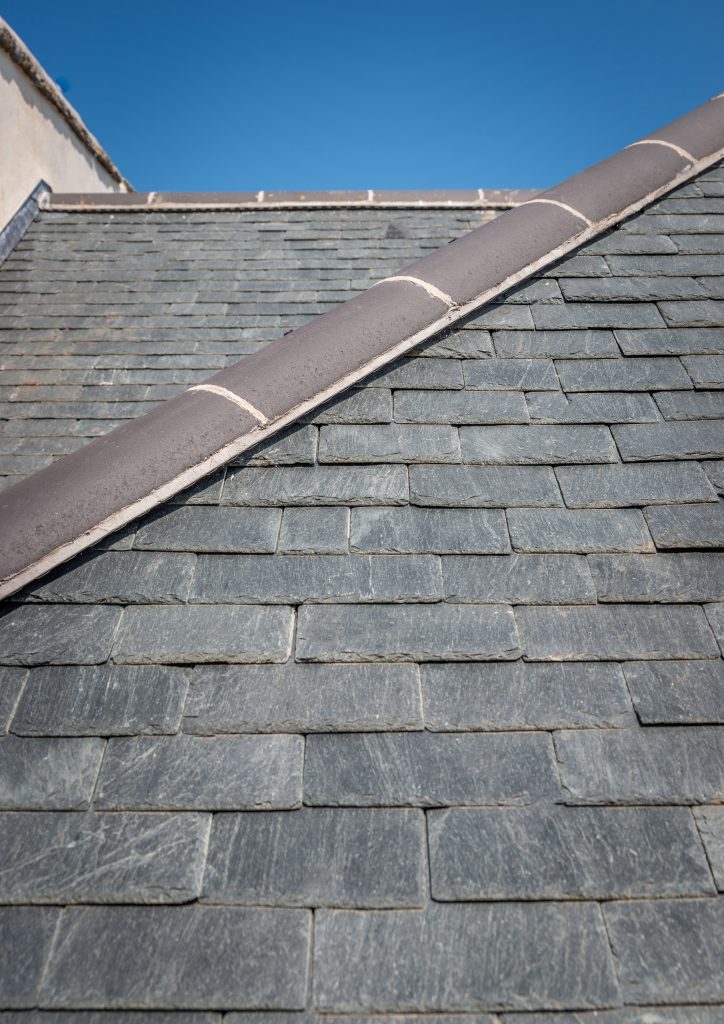
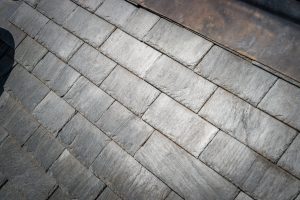
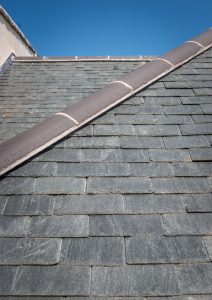
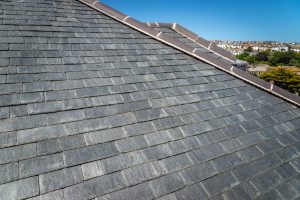
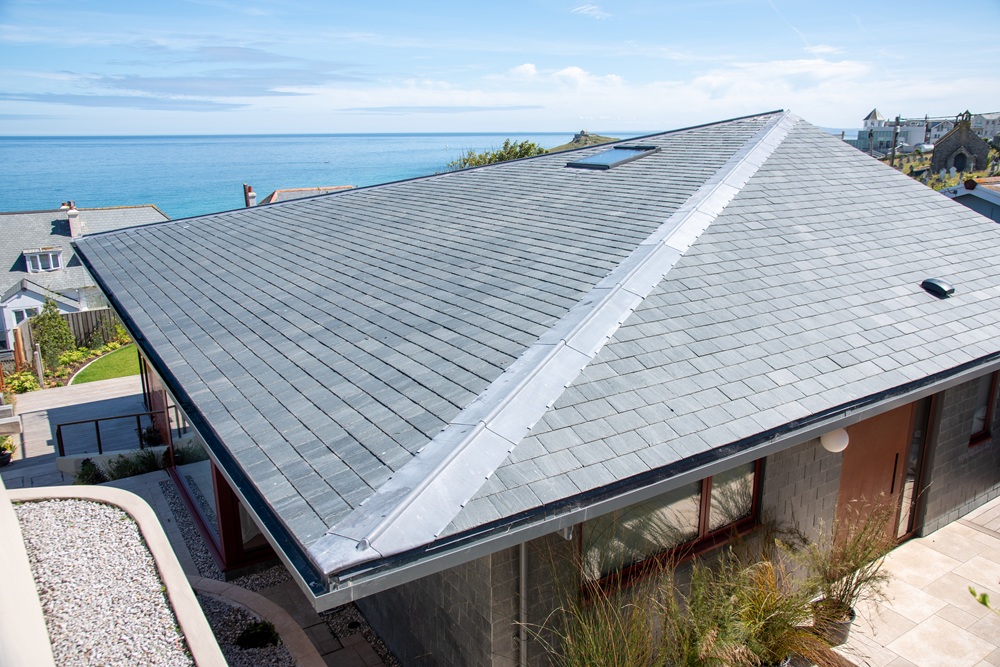
SSQ’s Riverstone Ultra Phyllite, in 300mm random format, was chosen as the only realistic alternative to the indigenous Delabole slate. Its geological composition and performance characteristics are virtually identical to Cornwall’s indigenous slates of both Delabole and Trevillet quarries, yet its technical credentials, particularly its exceptional strength and low water absorption, offer superior durability in severe coastal conditions.
Indeed, Riverstone is one of the few slates that has been accepted in the past as a suitable alternative to indigenous slates on buildings of historical significance across the counties of Devon and Cornwall.
The Riverstone solution reduced the roof’s structural loading from 100kg/m² to just 42kg/m², easing pressure on the historic timber frame while ensuring full compliance with planning and conservation approvals. The 45° pitched roof was re-felted with Permavent Apex Air and battened at a 100mm gauge before the Riverstone slates were graded, holed on site, and twice copper nailed for a precise, traditional finish to ensure the roof remained watertight.
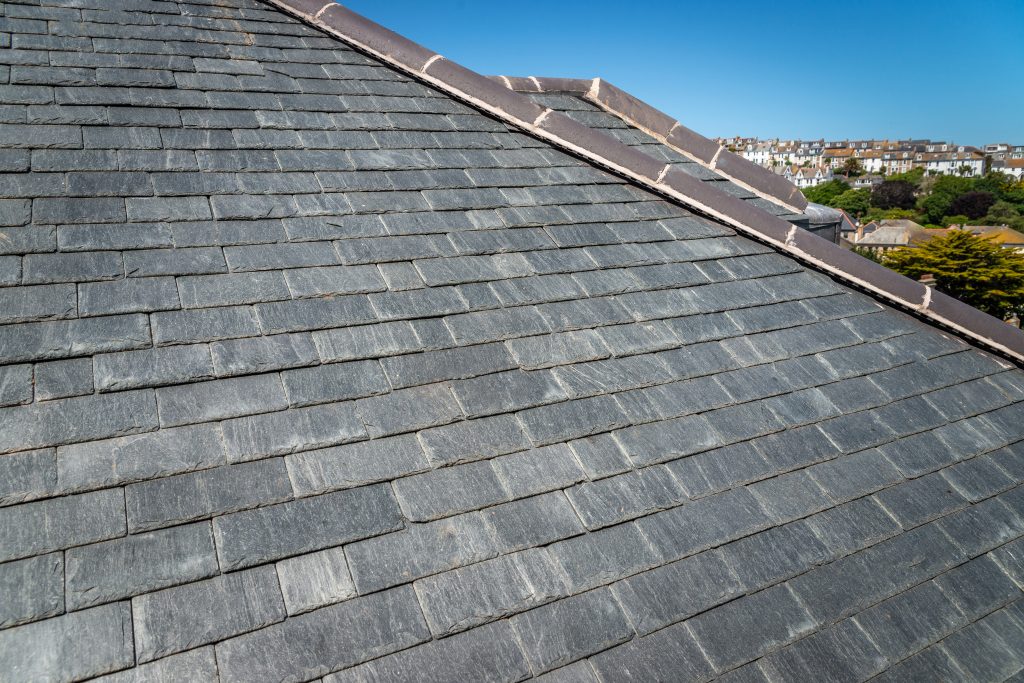
The weight loading of the roof was further reduced by SSQ Riverstone technical and specification teams offering a similar “dry fixed” method of laying the slate.
Despite restricted access and challenging coastal exposure, the project was completed on time and within budget, transforming a historic residence into a future-proof commercial hub. With its unrivalled longevity, Riverstone Phyllite now safeguards this important Cornish landmark for the next century, preserving the heritage of St Ives while supporting its sustainable regeneration.