BS 5534: UK Roofing Code of Practice for Slating and Tiling
BS 5534 is the British Standard code of practice for tiling and slating on pitched roofs and vertical cladding in the UK. It sets out minimum requirements for the design, materials and installation of:
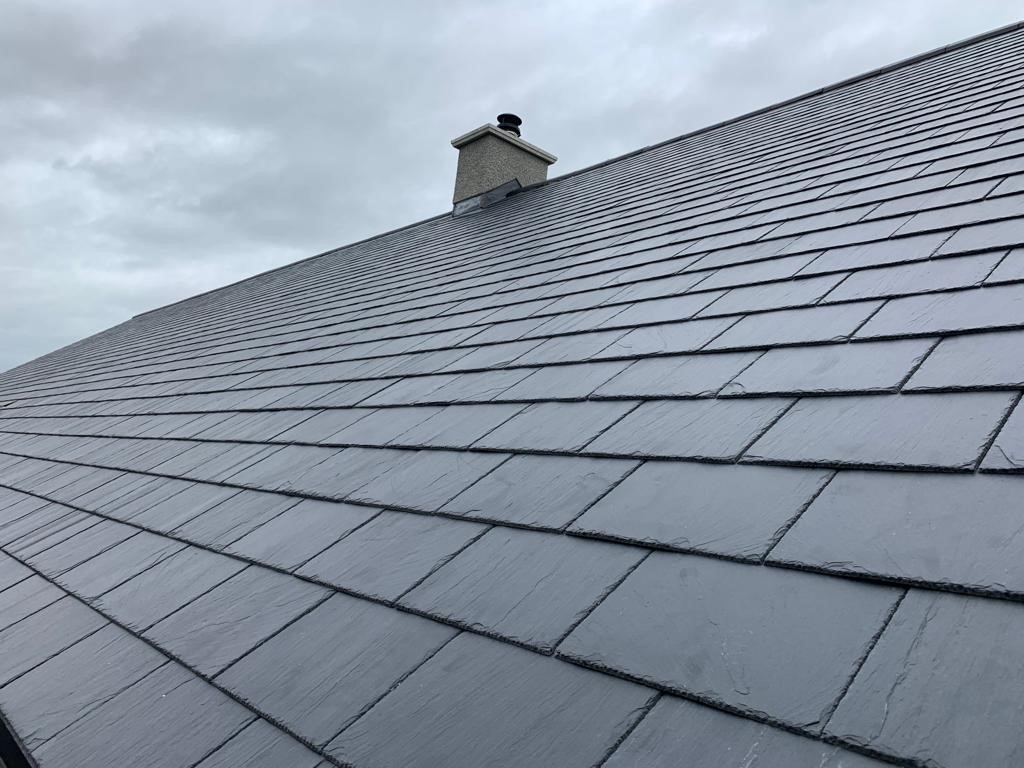
- Natural slates
- Fibre-cement slates
- Concrete and clay tiles
- Timber shingles and shakes
The standard applies to new roofing work and, in many cases, to reroofing and repair projects on existing buildings where pitched roofs or vertical tile hanging are being renewed or substantially altered.
What Is BS 5534?
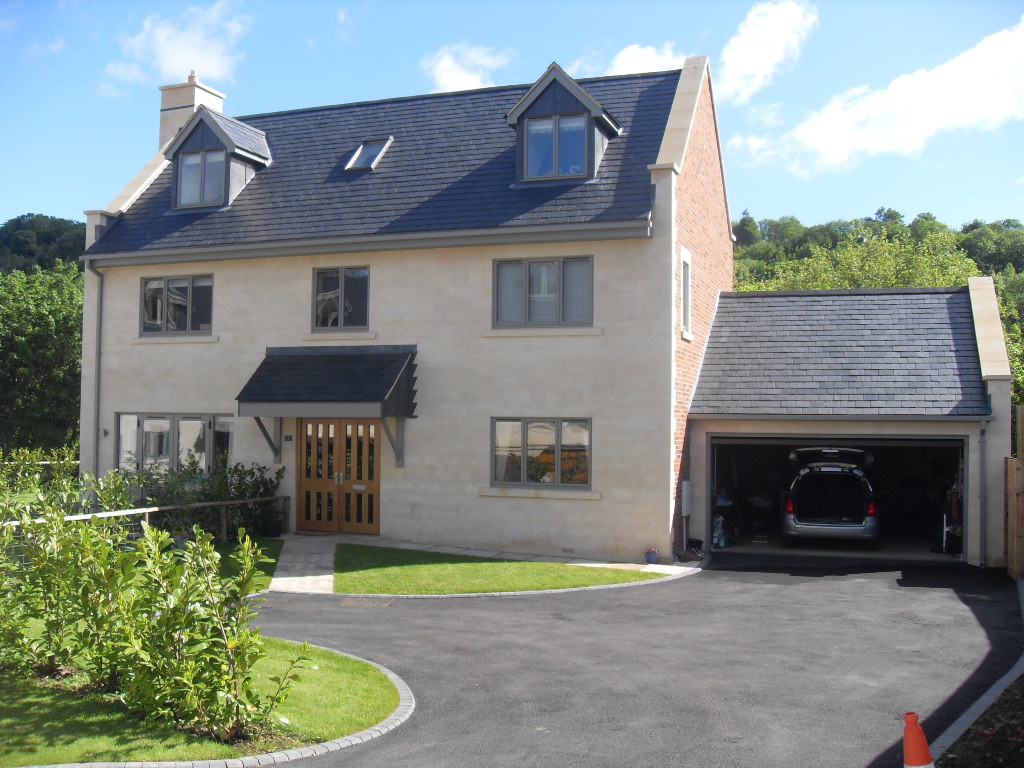
Under BS 5534 and related British Standards, roofing materials and workmanship must be fit for purpose. That means roofs must be designed and installed so they will resist wind uplift, shed water effectively and remain secure over their design life when used in line with manufacturer guidance.
BS 5534 works alongside health and safety legislation, including the Construction (Design and Management) Regulations (CDM). On domestic and non-domestic projects, contractors must plan and carry out work safely, including safe access, handling of materials and working at height.
One important limitation is scope: BS 5534 does not provide structural design rules for the roof timber framework. The rafters, trusses and load-bearing elements must be designed using separate structural codes. BS 5534 focuses on the roof covering, fixings and ancillary components that sit on top of that structure.
The standard may not apply universally to re-tiling or re-slating work on period or heritage properties, especially where original methods and materials must be preserved. In these situations, local planning and conservation requirements can override standard roofing practices, so advice should be taken from the local planning authority or a conservation specialist when working on certain roofs on period properties.
Who Does BS 5534 Apply To?
BS 5534 affects the entire roofing supply chain. If you are involved in designing, specifying, manufacturing or installing pitched roofing or vertical tiling systems, you will be expected to follow it. The standard is particularly relevant to:
- Product and project designers developing roof specifications
- Material specifiers selecting appropriate products and systems
- Manufacturers and distributors of roofing products and systems
- Installers and contractors executing the work on site
- Roofing trade associations and technical bodies issuing guidance
Building Control officers and warranty providers (for example on new homes) will usually refer to BS 5534 when assessing whether a roof is adequately designed and installed.
Key Changes to BS 5534 Regulations
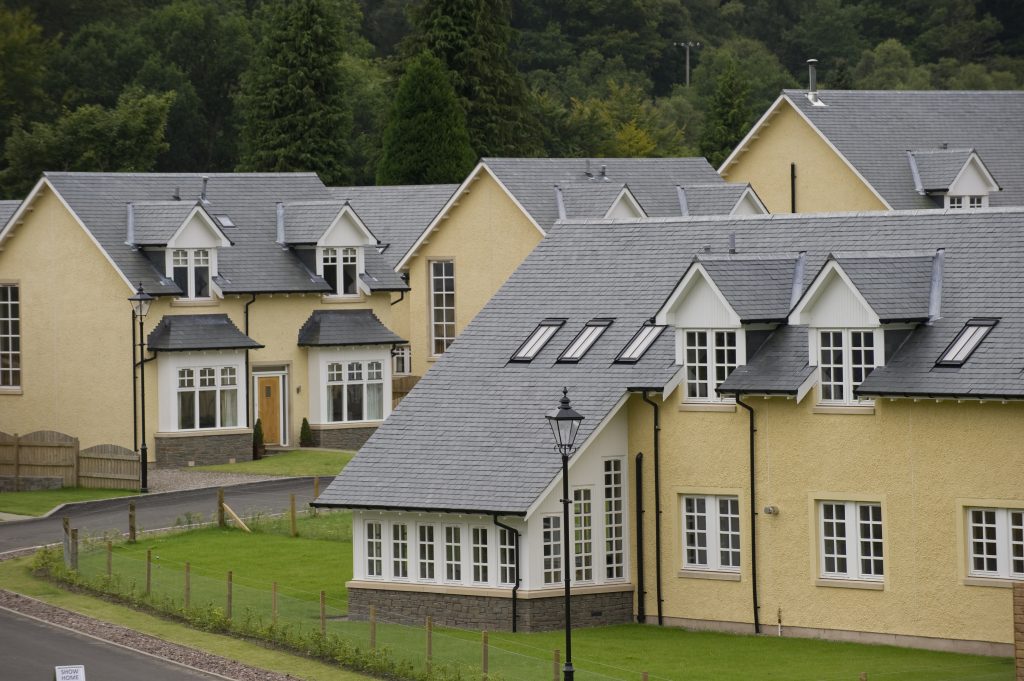
BS 5534 has been in place for many years, but it was substantially revised in 2014 and then amended in 2018 (BS 5534:2014+A2:2018). The updates responded to more frequent severe weather events and a better understanding of how roofs perform in high winds.
The main areas of change include:
- More robust fixing requirements for slates and tiles
- Revised methods of calculating wind uplift and determining fixing patterns
- Clearer rules for the performance and installation of underlays
- Updated guidance on ridge and hip systems, including dry-fix solutions
Together, these changes aim to reduce the risk of tile and slate loss in storms and ensure that roofs are designed to withstand realistic wind loads for their location and exposure.
Mechanical Fixing, Wind Resistance and Underlay Performance
A major focus of the updated BS 5534 is mechanical fixing. The standard makes clear that roof coverings should not rely on mortar alone to hold components in place.
Key principles include:
- Natural slates should be mechanically fixed, typically using nails or hooks, in accordance with BS 5534 and the manufacturer’s fixing specification. This applies both to roofing slates and to suitable façade cladding slates used on pitched or vertical applications.
- Single-lap concrete and clay tiles generally require mechanical fixings, with fixings specified according to the wind uplift calculations for the roof.
- Perimeter areas – such as eaves, verges, ridges and hips – are subject to higher wind suction and often require additional fixings. Manufacturers’ BS 5534-based fixing tables set out when two fixings per unit are required in these zones.
- Ridge and hip tiles bedded in mortar must also be mechanically fixed, or a fully dry-fix system tested to the relevant standards should be used. Mortar, where used, is treated as a bedding material rather than the primary means of restraint.
Historically, mortar bedding was widely used without mechanical restraint on many UK roofs. The current version of BS 5534, clarified by the 2018 amendment, emphasises that secure mechanical fixings are essential to resist wind uplift and to keep the roof covering in place for the long term.
Wind Resistance and Uplift Calculations
BS 5534 introduces a more rigorous, calculation-based approach to wind uplift. Instead of relying on simple rules of thumb, designers are expected to consider:
- Geographical wind zone
- Site exposure (sheltered, normal or severe)
- Building height and shape
- Roof pitch and orientation
- Location on the roof (general areas vs. perimeter and corner zones)
Using these parameters, the standard provides methods to determine the design wind uplift pressure on the roof covering. From this, designers and specifiers can select an appropriate fixing specification for slates or tiles, either by calculation or by using manufacturer fixing tables developed in line with BS 5534.
The result is a fixing pattern tailored to the building and its location, not a one-size-fits-all approach. This helps ensure roofs are neither under-fixed (risking failures in storms) nor excessively over-fixed (which can add unnecessary cost and complexity).
Underlay Performance and Installation
The underlay plays a crucial role in the wind performance of a pitched roof. BS 5534 sets out requirements for both the type of underlay and how it should be installed.
Key considerations include:
- Wind uplift resistance: Underlays must meet minimum resistance values to wind uplift. These values are determined through standardised testing and depend on the roof configuration and presence of ceiling and loft ventilation openings.
- Support and drape: Lightweight underlays must be adequately supported, usually by the roof battens, with a controlled drape between rafters as recommended by the manufacturer.
- Batten fixing: Battens should be fixed in accordance with BS 5534, taking into account nail size, type and penetration, as well as the spacing and grading of battens.
By combining compliant underlay performance with correct batten installation and fixing patterns for slates or tiles, the roof forms a coherent system that can resist the design wind loads for the property.
Heritage, Regulations and Compliance
Many UK buildings fall within conservation areas or are formally listed. For these heritage properties, maintaining the original appearance and materials is often a legal requirement.
BS 5534 acknowledges that the standard may not apply in full to certain re-roofing projects on period buildings, particularly where:
- Original detailing and traditional methods must be preserved
- Reclaimed or historically significant materials are being reused
- Planning or conservation conditions require traditional techniques
In such cases, designers and contractors should consult:
- The local planning authority and conservation officer
- Any relevant heritage or listing documentation
- Specialist conservation roofing contractors
Even when full BS 5534 compliance is not achievable, the principles of good practice—secure fixing, appropriate materials and consideration of wind loading—remain valuable, and solutions are often sought that balance heritage requirements with modern performance expectations.
BS 5534 does not stand alone. It forms part of a wider framework of roofing and construction standards, including:
- Other British Standards for roofing products and materials
- European product standards and test methods
- UK Building Regulations and approved documents
For designers and contractors, this framework is important because:
- Building Control will typically look for BS 5534-compliant design and installation when assessing pitched roofs.
- Warranty providers and insurers often specify BS 5534 as a minimum requirement for roof coverings.
- Compliance with BS 5534 supports the roof’s overall performance in terms of structural safety, weather resistance and durability.
Achieving BS 5534 compliance is a shared responsibility across the project team. Good practice includes:
- Designers and specifiers using BS 5534 and manufacturer guidance to select suitable products and fixing schedules for the location and exposure.
- Manufacturers providing clear, BS 5534-based fixing instructions and technical support.
- Contractors ensuring that site installation matches the specified fixing patterns, batten sizes, nail types and underlay requirements.
- Supervisors and quality inspectors checking that work on site reflects the design and that any changes are properly reviewed.
Thorough attention to design, product selection and workmanship helps ensure that roofs meet the standard’s requirements and perform reliably over their service life.
High-Performance Natural Slate from SSQ
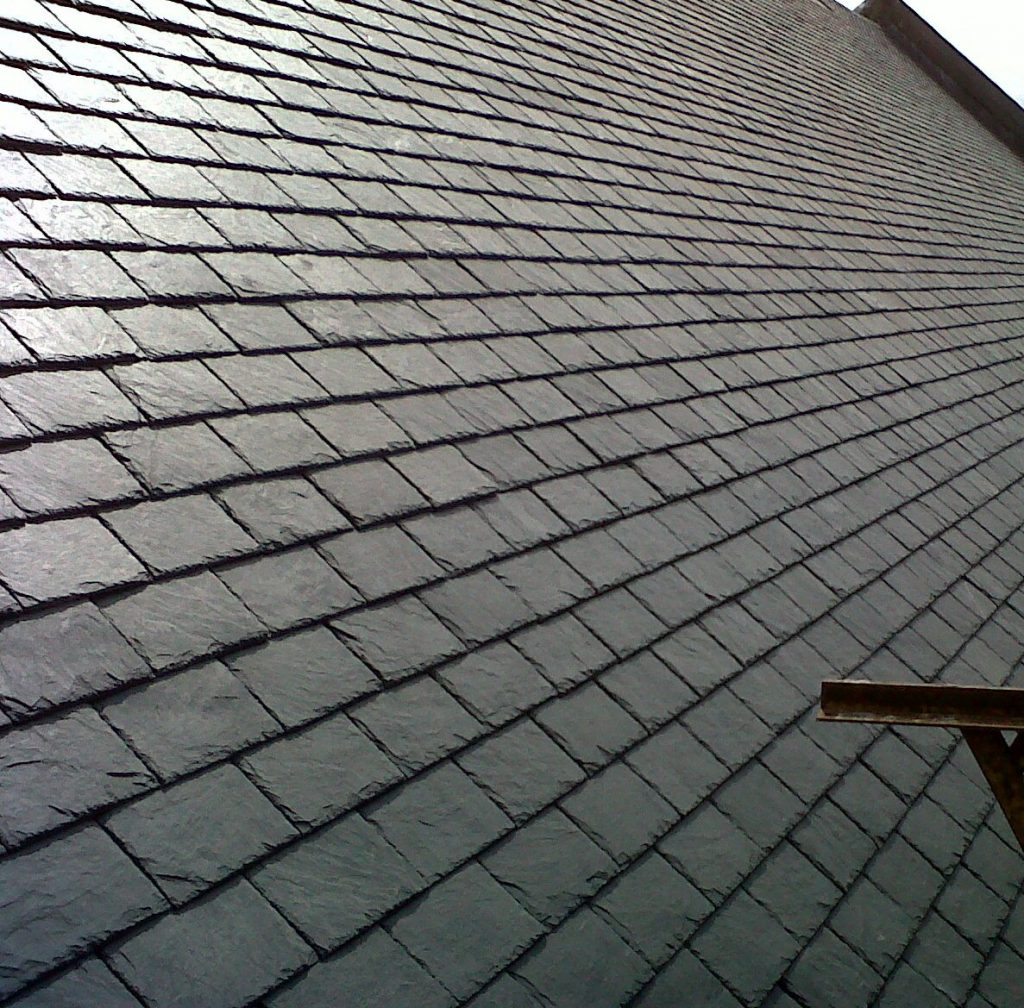
Alongside understanding BS 5534, choosing the right roofing slate is critical to long-term performance and appearance. SSQ has been supplying high-quality natural slate to the UK and international markets for more than 40 years.
Our portfolio includes:
- Del Carmen® Spanish slate – a premium, dark blue-black slate renowned for its consistency, low water absorption and outstanding durability.
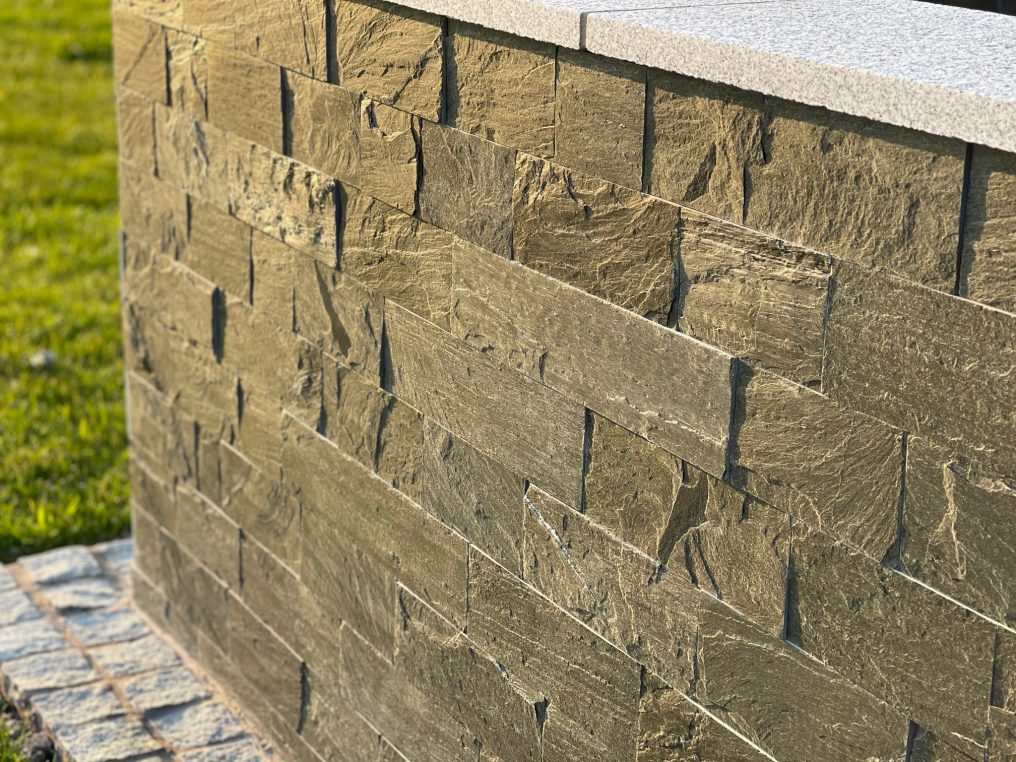
- Riverstone® phyllite from South America – a unique, high-grade roofing and cladding stone with exceptional strength, low porosity and a distinctive, elegant finish.
Both our Del Carmen Spanish slates and our Riverstone phyllite slates are produced and selected to meet the relevant British and European standards for roofing slate and are suitable for use on BS 5534-compliant pitched roofs when installed in accordance with the standard and manufacturer guidance.
They are widely specified on:
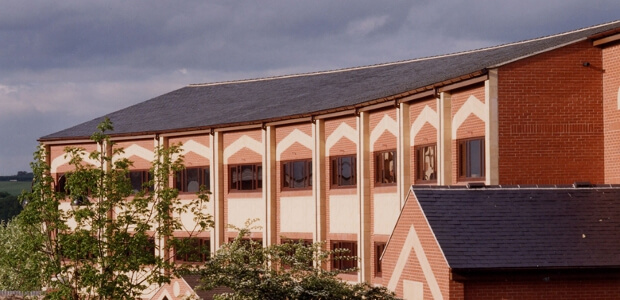
- New-build housing and commercial projects
- High-end residential schemes
- Conservation and heritage work where appearance and durability are paramount
With guarantees of up to 100 years available on selected products, SSQ offers long-term peace of mind as well as refined aesthetics.
If you are designing or specifying a BS 5534-compliant roof and require technical support or product samples, our specialist team can help you choose the right SSQ slate for your project and provide detailed fixing and specification guidance.
If you’re involved in the roofing industry and you’d like to find out more about working with SSQ as your professional roof slate supplier, contact us today. For more information about any of our products or services simply call 020 8961 7725 to speak to one of our friendly and knowledgeable team or send us a message online and we’ll get back to you as soon as possible.