When specifying a roofing material, one of the most common questions facing architects, contractors, and developers is the choice between natural slate vs synthetic slate. Both are widely used across the UK roofing market, and both have their advocates — but the differences between them are significant, and they matter enormously when it comes to performance, longevity, and the long-term reputation of a project.
At SSQ, we’ve spent decades supplying SSQ Natural Spanish Slate to some of the most demanding roofing projects in the UK and beyond. In that time, we’ve heard every argument for and against each material type. In this guide, we cut through the noise and give you a clear, honest comparison — so you can make the right specification decision with confidence.
What Is Natural Slate?
Natural slate is a fine-grained metamorphic rock formed over hundreds of millions of years through the transformation of shale under intense geological heat and pressure. This process creates a uniquely dense, layered stone that splits naturally into thin, flat sheets — making it ideally suited for use as a roofing material.
Not all natural slate is equal in quality. The finest roofing slate in the world is widely recognised as coming from Spain — specifically from the Galicia and León regions, which produce slate with exceptional geological consistency, very low water absorption, and outstanding resistance to frost and weathering.
SSQ Natural Spanish Slate is sourced directly from these premier quarry regions. Each slate tile carries the provenance, technical performance, and aesthetic character that only a genuinely natural product can deliver — tested and certified to EN 12326, the European standard for natural stone roofing slates and tiles.
What is synthetic slate?
Synthetic slate — also referred to as artificial slate, composite slate, or man-made slate — is a manufactured product designed to replicate the appearance of natural roofing slate. It is typically produced from one of several material combinations:
- Fibre cement slate — a blend of cement, sand, and reinforcing fibres, moulded into slate-like tiles
- Composite or polymer slate — made from plastics, rubber, or a blend of recycled materials
- Recycled rubber and plastic slate — increasingly common, marketed on sustainability grounds
Synthetic slate products are manufactured in controlled factory conditions, offering a consistent, uniform appearance and a relatively lower upfront cost. They are lighter than natural slate and can be easier to handle during installation.
However, the uniformity that makes synthetic slate convenient in production is also what distinguishes it — visually and structurally — from the real thing.
Natural Slate vs Synthetic Slate: A Head-to-Head Comparison
Durability and Lifespan
This is perhaps the most significant difference between the two materials, and it is where natural slate establishes an insurmountable advantage.
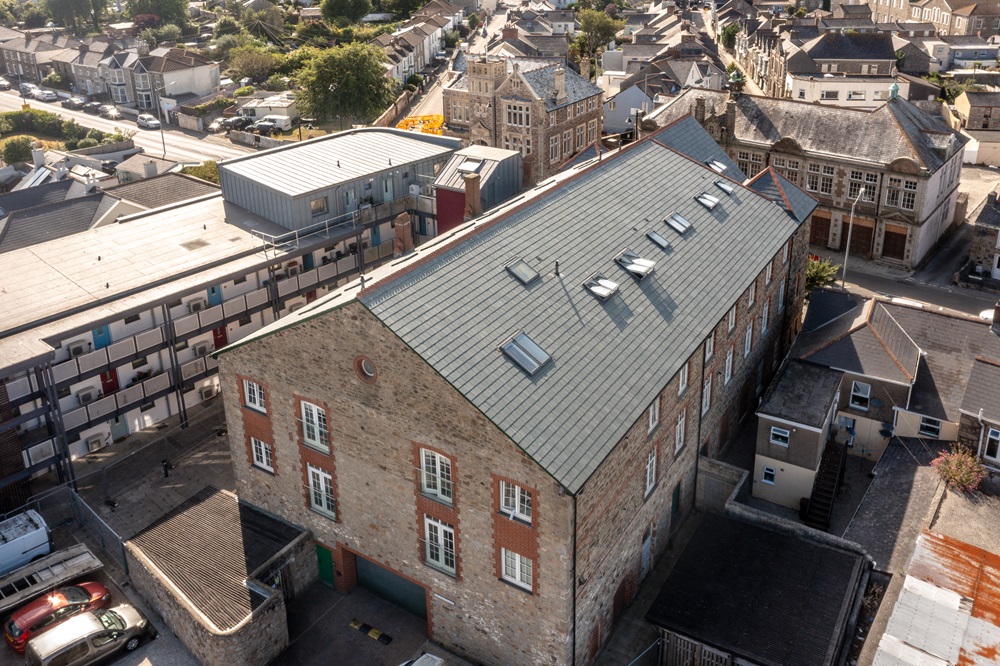
A correctly installed natural slate roof — using high-quality Spanish roofing slate — can last well in excess of 100 years. There are natural slate roofs across the UK and Europe that have been in place for 150 years or more and continue to perform without structural compromise. This extraordinary longevity is a direct result of the geological density and stability of the material.
Synthetic slate, by contrast, typically carries manufacturer warranties of between 20 and 40 years. While this may seem acceptable in isolation, it means a synthetic slate roof will likely need full replacement at least twice within the lifetime of a building where a natural slate roof would still be performing.
Appearance and Aesthetics
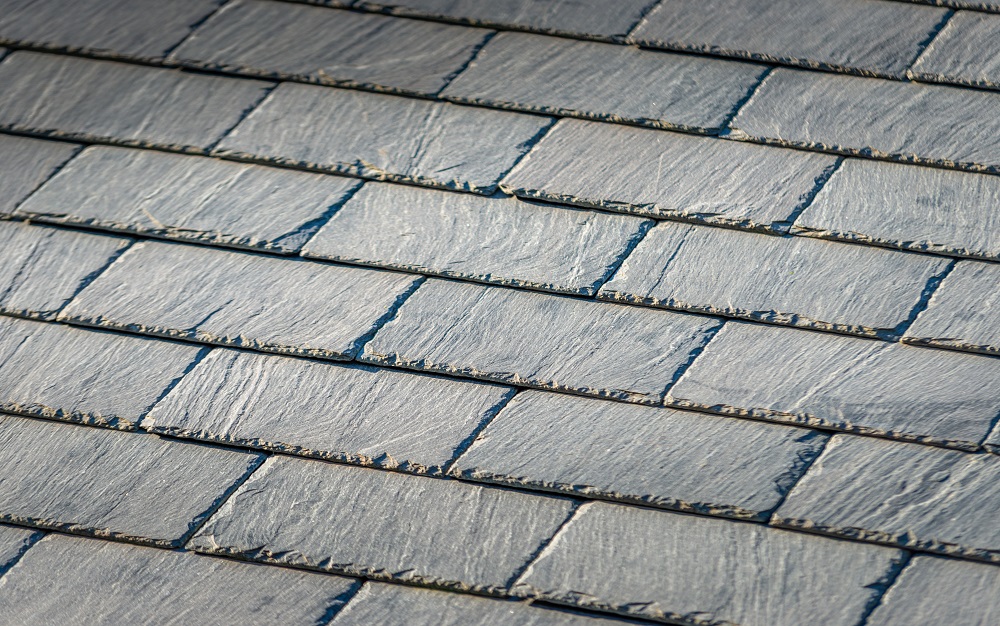
Natural slate is unique by definition. Because it is a product of geology rather than manufacturing, no two tiles are identical — subtle variations in colour, texture, and natural veining combine to create roofscapes with genuine depth and visual character. This natural variation is precisely what architects and heritage specialists value, and it is impossible to replicate artificially.
Synthetic slate, however well-engineered, is produced from moulds. The result is a repeating, uniform appearance that experienced specifiers and observers can often identify at a distance. Over time, synthetic materials may also fade, discolour, or lose surface integrity — further diminishing their aesthetic performance.
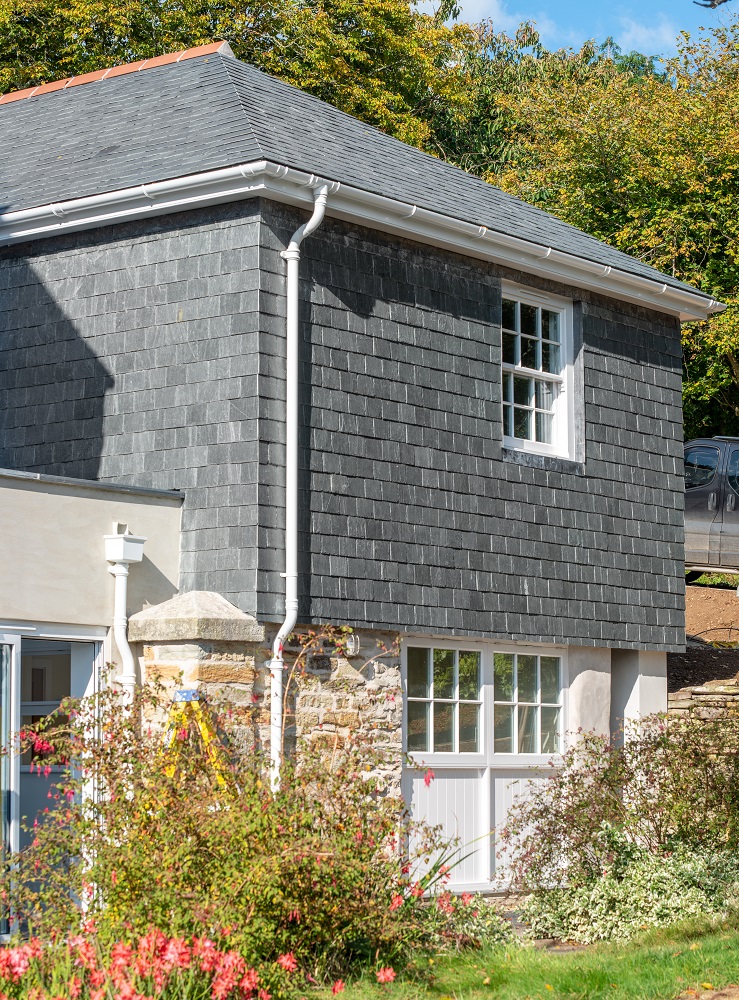
For projects where visual quality and architectural distinction matter, SSQ Natural Spanish Slate delivers an outcome that manufactured alternatives simply cannot match.
Environmental Impact
Sustainability is now central to specification decisions across the construction industry, and this is an area where the comparison between natural and synthetic slate is nuanced but ultimately clear.
Natural slate is a 100% natural material that requires no chemical manufacturing process. Its environmental credentials are further strengthened by its exceptional lifespan — a roof that lasts over a century consumes far fewer resources over the life of a building than one requiring multiple replacements.
Synthetic slate, while sometimes marketed using recycled content, typically incorporates petrochemical-derived materials and requires energy-intensive manufacturing processes. Products made from plastics or rubber composites also raise questions around end-of-life disposal and recyclability.
At SSQ, we work with quarries that operate responsible extraction practices, and we are committed to reducing the environmental impact of our supply chain — making SSQ Natural Spanish Slate a genuinely sustainable roofing specification.
Performance and Weather Resistance
High-quality Spanish slate exhibits extremely low water absorption rates — a critical performance characteristic that prevents moisture ingress, freeze-thaw damage, and the structural deterioration that compromises roofing systems over time. SSQ Natural Spanish Slate consistently meets and exceeds the technical thresholds defined under EN 12326, including tests for water absorption, frost resistance, carbonate content, and flexural strength.
Synthetic slate performance varies considerably between manufacturers and product types. Some fibre cement products perform adequately in temperate climates, but they can be susceptible to moisture retention, surface cracking, and colour degradation — particularly in harsher or more exposed locations.
As a natural stone, slate is also non-combustible, providing inherent fire resistance that plastic-based synthetic alternatives cannot offer.
Weight and Installation
It is worth acknowledging that synthetic slate does offer a practical advantage in terms of weight. Most synthetic slate products are significantly lighter than natural slate, which can simplify handling and reduce the structural load on a roof.
However, natural slate — and Spanish roofing slate in particular — has been specified for centuries on buildings of all types, and experienced roofing contractors are well-versed in working with it. Proper structural assessment and experienced installation are standard requirements for any quality roofing project, and the weight consideration should not be a reason to compromise on material quality.
Cost and Long-Term Value
Natural slate carries a higher upfront cost than most synthetic alternatives — this is not in dispute. However, the true cost of a roofing material must be assessed across its full lifecycle.
When whole-life costs are calculated — factoring in replacement, maintenance, labour, and disposal — natural slate consistently offers superior long-term value. A natural slate roof specified today may never need to be replaced within the lifetime of the building. A synthetic slate roof almost certainly will — potentially more than once.
For clients and specifiers focused on total cost of ownership rather than short-term spend, natural slate is the financially sound choice as well as the qualitatively superior one.
Why Natural Spanish Slate Is the Professional’s Choice
The case for natural slate over synthetic alternatives is compelling on every meaningful measure — longevity, aesthetics, sustainability, performance, and whole-life value. And within the category of natural slate, Spanish slate stands apart for its geological quality, technical consistency, and global reputation.
Architects, heritage consultants, and roofing contractors who specify quality understand that a roof is not a commodity purchase. It is a long-term commitment to a building’s performance and appearance — one that reflects directly on everyone involved in its delivery.
Specify SSQ Natural Spanish Slate with Confidence
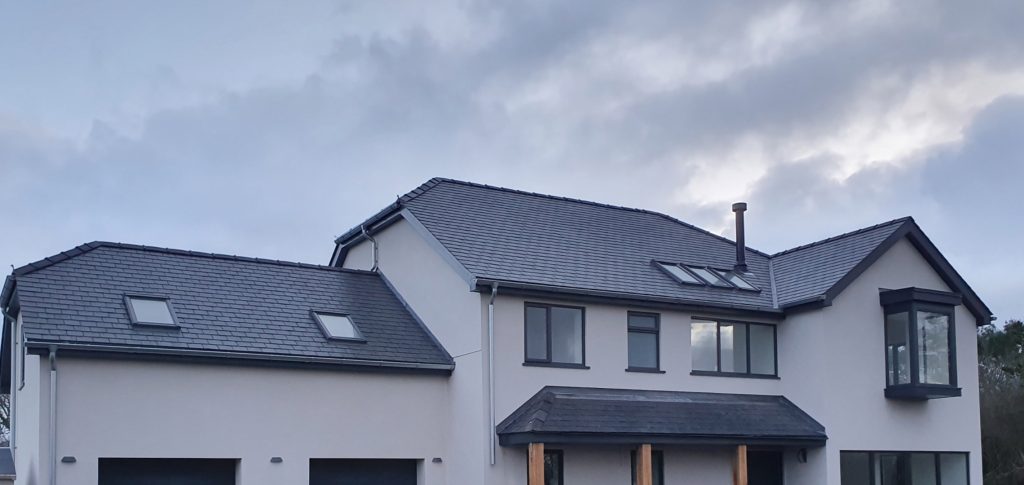
SSQ Group is one of the world’s leading suppliers of natural Spanish slate, with direct sourcing from Spain’s premier quarry regions, rigorous quality control, and comprehensive technical support for every stage of the specification process.
Whether you are working on a new-build development, a heritage restoration, or a commercial roofing project, our team is here to help you identify the right SSQ Natural Spanish Slate product for your specific requirements.
Explore our full product range or contact our technical team today to discuss your next project.Add to Conversation