As international slate specialists, SSQ has been providing high-quality natural slate and stone products to architects, specifiers, and builders for decades. Our expertise in natural slate extends to all aspects of its use in construction, including weathering and oxidation. This comprehensive guide aims to shed light on these processes, their implications for slate roofing, and how to manage them effectively in your projects.
What is slate weathering and why does it matter?
Slate weathering is a long-term process that occurs when slate is exposed to external conditions. For specifiers, it matters because weathering can influence:
- Appearance: natural variation and gradual colour development on exposed areas
- Performance: how effectively the roof sheds water across its service life
- Longevity: ensuring the slate specified is suitable for the site exposure and detailing approach
In UK projects, weathering shouldn’t be treated as a generic “slate issue”. The correct approach is to specify a slate with the right performance classification and to design/fix the roof in line with good practice and the relevant standards.
The science behind slate weathering
Slate is a metamorphic rock formed under heat and pressure. Its mineral composition can vary by deposit and influences how it responds to the environment over time. Weathering is typically described in two broad categories:
Physical weathering
Mechanical forces can contribute to surface change over time, including:
- freeze-thaw exposure in colder climates
- thermal expansion and contraction
- wind-driven rain and abrasion on exposed elevations
Chemical weathering
Chemical processes occur when slate minerals interact with water, oxygen and other environmental factors. Oxidation is one of the most discussed chemical weathering mechanisms for roofing slate because it can be visible as colour change or staining.
How does oxidation affect slate roofing?
Oxidation can occur when certain iron-bearing minerals in slate react with oxygen and moisture. The most noticeable outcome is often a change from grey tones to brown/rust/gold hues in affected areas, or localised rust-coloured markings.
What oxidation can look like on a roof
- subtle colour warming over time
- small rust-coloured spots
- streaks where moisture runs repeatedly along the surface
What affects the rate and extent of oxidation?
Oxidation behaviour depends on the slate itself and how the roof is designed and exposed, including:
- the slate’s mineral composition (deposit-dependent)
- site conditions (humidity, rainfall, temperature cycling)
- roof pitch and drainage behaviour
- detailing at abutments/valleys and local moisture retention points
Does oxidation affect performance?
In many cases, oxidation is primarily an appearance consideration rather than a structural failure mode. However, any staining that coincides with surface breakdown (e.g. pitting, crumbling edges, flaking) should be investigated using the slate’s performance documentation and the project’s exposure conditions.
Why does my slate roof look rusty or brown?
This is one of the most common UK search intents around slate oxidation.
Rust-coloured marks can be associated with oxidation of iron-bearing minerals present in some slates. The key point for specifiers is: “rusty” appearance has different causes, and correct identification matters.
Quick on-site checks (specifier/contractor)
- Is it localised or widespread? isolated marks may relate to local moisture behaviour; widespread patterning may relate to slate characteristics or exposure.
- Is there nearby metal runoff? staining can sometimes track from flashings, fixings, or other roof elements.
- Is there surface breakdown? if staining is accompanied by pitting/flaking, treat it as a performance check rather than cosmetic only.
Where oxidation concern exists, the correct response is to revert to documented product performance and, where appropriate, supplier technical support—rather than relying on generic assumptions
UK specification: BS EN 12326 and performance documentation
For UK projects, a key part of specifying slate is ensuring the product is supported by the correct documentation and is assessed against the recognised European product standard for slate used in discontinuous roofing and cladding.
- BS EN 12326 sets out specifications and requirements for slate used in discontinuous roofing and external cladding.
- SSQ’s technical guidance highlights the importance of slates being tested to the relevant standard and supplied with appropriate UK compliance documentation.
Specifier takeaway: when oxidation or weathering behaviour is a concern, you want to be able to point to clear product documentation and performance classification—then design and fix the roof appropriately for exposure and detailing.
Best practices for managing slate weathering and oxidation
As an architect or specifier, understanding how to manage slate weathering and oxidation is crucial for ensuring the longevity and aesthetic appeal of your roofing projects. Here are some best practices to consider:
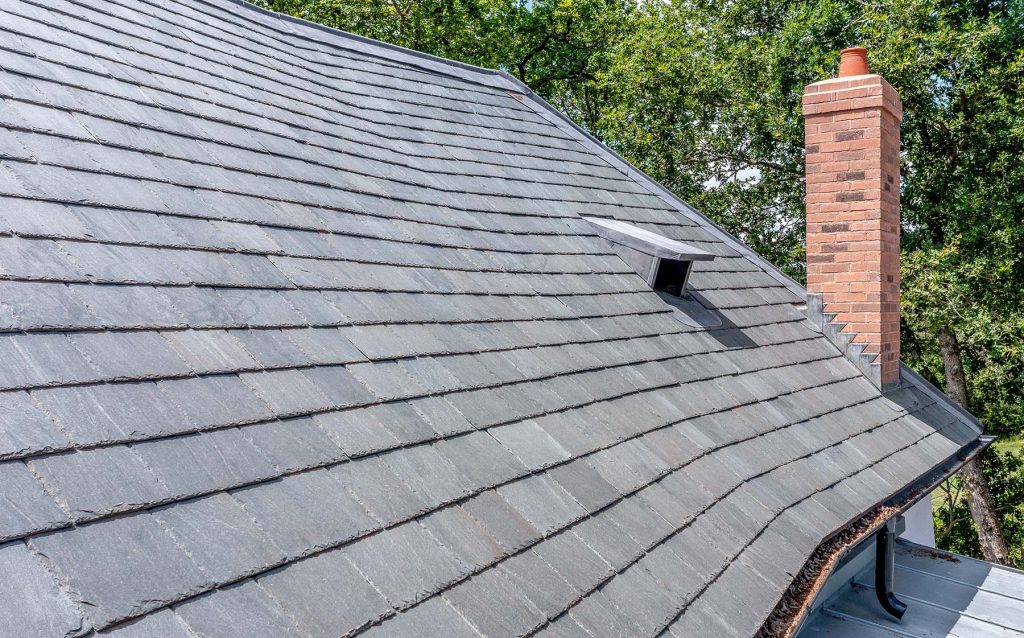
- Choose the Right Slate
Not all slate is created equal. The mineral composition of the slate plays a significant role in its susceptibility to weathering and oxidation. At SSQ, we offer a range of high-quality slates with varying weathering characteristics. Our experts can help you select the most appropriate slate for your specific project requirements.
- Consider the Roof Profile
The roof profile can influence how water interacts with the slate, affecting the rate of weathering and oxidation. Steeper pitches generally allow for better water runoff, potentially reducing the rate of oxidation. When designing slate roofs, consider how the pitch and profile might impact water drainage and exposure to environmental elements.
- Proper Installation Techniques
Correct installation is crucial for minimising weathering and oxidation. Ensure that the slate is installed with appropriate overlap and side laps, proper underlayment and flashing are used, and adequate ventilation is provided in the roof space
Common concerns about slate weathering
Will weathering affect the lifespan of my slate roof?
A natural slate roof can deliver a long service life when the slate is appropriately specified and correctly installed. SSQ’s guidance and related resources emphasise the combined importance of material quality and correct fixing/design practice.
Can I prevent colour changes due to oxidation?
You cannot “switch off” natural weathering processes, but oxidation behaviour is strongly influenced by the slate’s characteristics and the roof’s moisture behaviour. The practical route is: select a slate range with suitable documented performance and detail the roof to shed water and dry effectively.
Choosing the right slate for your project
When specifying natural slate roofing in the UK, consider:
- desired appearance over time (including natural variation and weathering expectations)
- local environment and exposure conditions
- slate sizing, thickness and detailing implications
- access to technical documentation, compliance information and fixing guidance
SSQ provides technical resources to support correct specification and installation, including the Natural Roofing Slate Design & Fixing Guide.
World-class natural slate from SSQ
SSQ’s natural slate stands out as a world-class choice. Our Del Carmen Spanish slate has established itself as a superior alternative to traditional Welsh slate, matching them in both beauty and durability.
Our Argentinian Phyllite Riverstone is a remarkable metamorphic rock, formed when shale endures extreme heat and pressure over hundreds of millions of years, surpasses conventional slate in hardness, density, and strength, while its distinctive ‘phyllitic sheen’ – created by mica particles – adds an unmistakable elegance to any application.
Both Riverstone and Del Carmen slates demonstrate exceptional colour stability, maintaining their original appearance even in the most challenging environmental conditions. This remarkable resistance to fading or discoloration ensures that your roofing investment retains its beauty and integrity for generations to come.
Embrace slate’s natural beauty—with confident specification
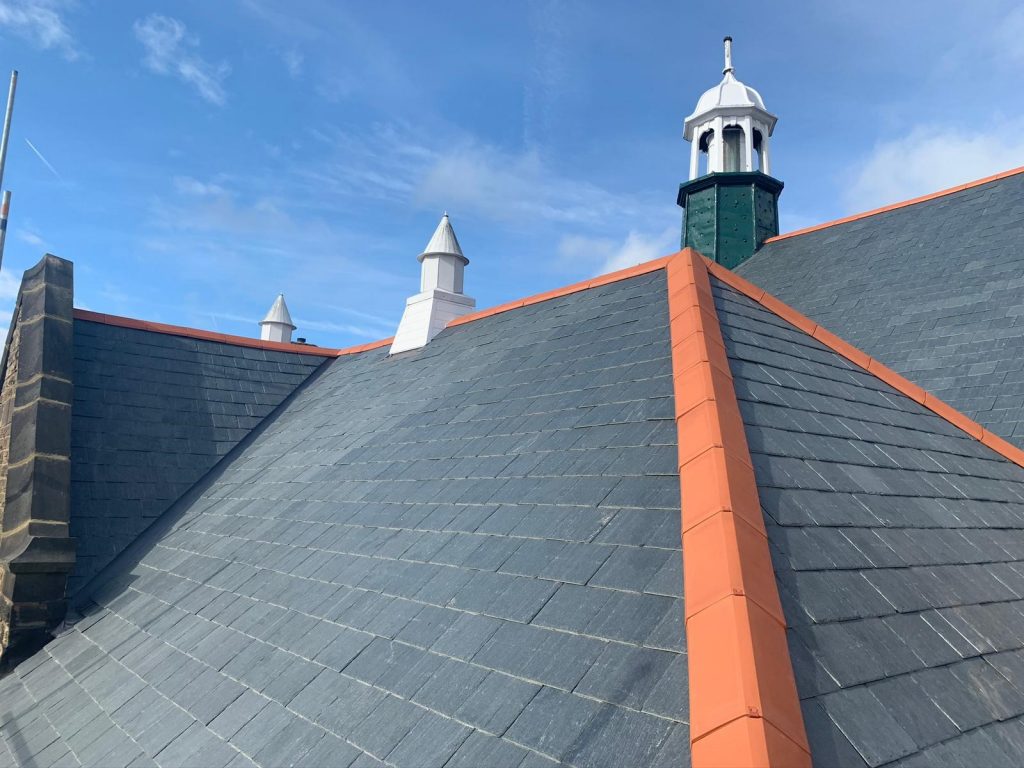
Slate is a proven roofing material, and a well-specified slate roof can age gracefully for decades. The key is understanding what weathering and oxidation are, how they may present on a roof, and how to select and detail the slate roof so the performance and appearance meet the project brief.
For technical guidance and specification support, refer to SSQ’s resources and speak with the SSQ team about your project requirements.
Contact or email us today to discuss your specific project needs or to learn more about our range of natural slate products. Our team of experts are ready to help you navigate the complexities of slate weathering and oxidation, ensuring your roofing projects stand the test of time.
Frequently asked questions:
How long does it take for slate to start weathering?
There is no set timetable for when the weathering process can begin, but noticeable changes may take several months to years, depending on the slate quality and environmental conditions.
Does weathering affect the water-resistance of slate roofs?
High-quality slate maintains its water-resistance properties. The slight texture changes due to weathering typically don’t compromise the roof’s ability to shed water.
What is Oxidation?
Oxidation occurs when slate is exposed to air and moisture over time. This process can cause the slate to change colour, typically resulting in a rusty or brownish appearance. It’s mostly an aesthetic issue, but it can sometimes lead to weakening of the slate in severe cases.
Does natural slate fade or darken over time?
Quality natural slate is the preferred option for restoring period properties as it will not fade over time. Our Riverstone, Del Carmen, Domiz and Matacouta slates will not fade or become discoloured even when exposed to the harshest environments.