Balancing durability, aesthetics and compliance is central to long-term roofing performance. As more projects seek dependable roofing materials that support whole-life value, many specifiers compare natural slate with fibre cement slates to understand how each performs under real conditions.
Although fibre cement products offer a lower upfront cost, the differences in service life, visual stability and certification are significant. When tested, documented and installed correctly, high quality roof slates such as SSQ’s Riverstone phyllite and Del Carmen Spanish slate offer proven longevity, superior durability and the authentic appeal that man-made alternatives cannot match.
Below, we explore the key distinctions across service life, appearance, sustainability and paperwork, helping you choose the right type o roofing material with confidence and verifiable data.
What is the difference between natural slate and fibre cement slates?
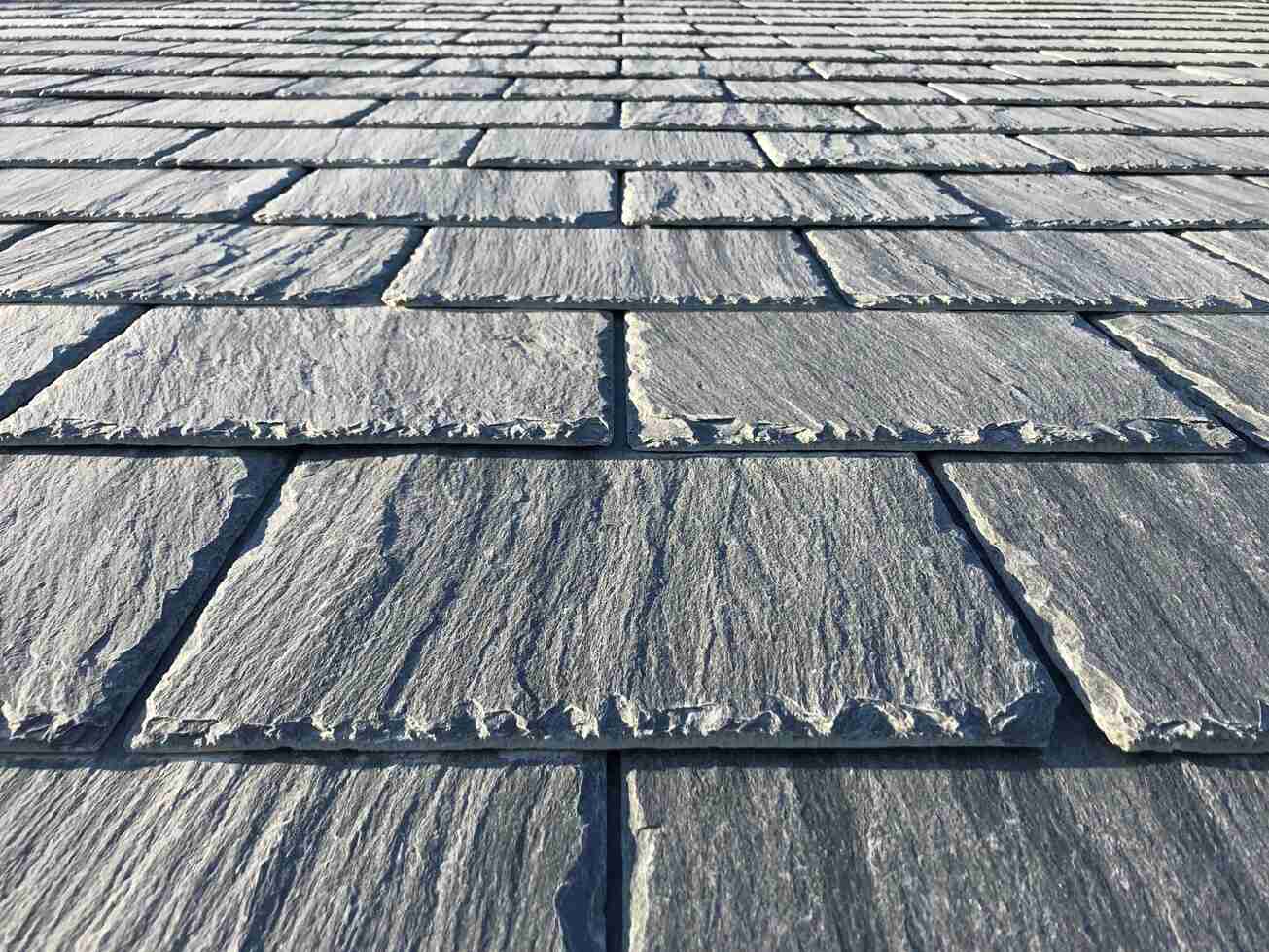
Natural slate is a metamorphic natural stone formed under intense geological pressure over millions of years. This produces a roofing material that is entirely inorganic, highly stable and exceptionally long-lasting. Natural slate tiles and natural slate roofing offer genuine authenticity and the timeless look of natural slate that suits everything from new builds to traditional roofing solutions and restoration projects.
Fibre cement slates, by contrast, are manufactured from a mix of cement, fibres, sand, air and water. These man-made roof tiles aim to replicate the look of slate but rely on coatings, pigments and precision processes to achieve a uniform appearance. Their long-term performance depends not on geology, but on how these composite materials age.
Natural slate vs fibre cement slates: which lasts longer?
A roof’s lifespan remains the most decisive factor in long-term performance. The geological structure of natural slate roofs gives them a service life measured in decades, often more than a century, meaning they are the most durable. Fibre cement roofs fall considerably short. Fibre-cement slates fall short.
Typical service life expectations:
- Natural slate (Del Carmen, Riverstone): 80–100+ years
- Riverstone phyllite: supported by a 100-year weathertightness guarantee
- Fibre cement tiles: usually 30–40 years before replacement is required
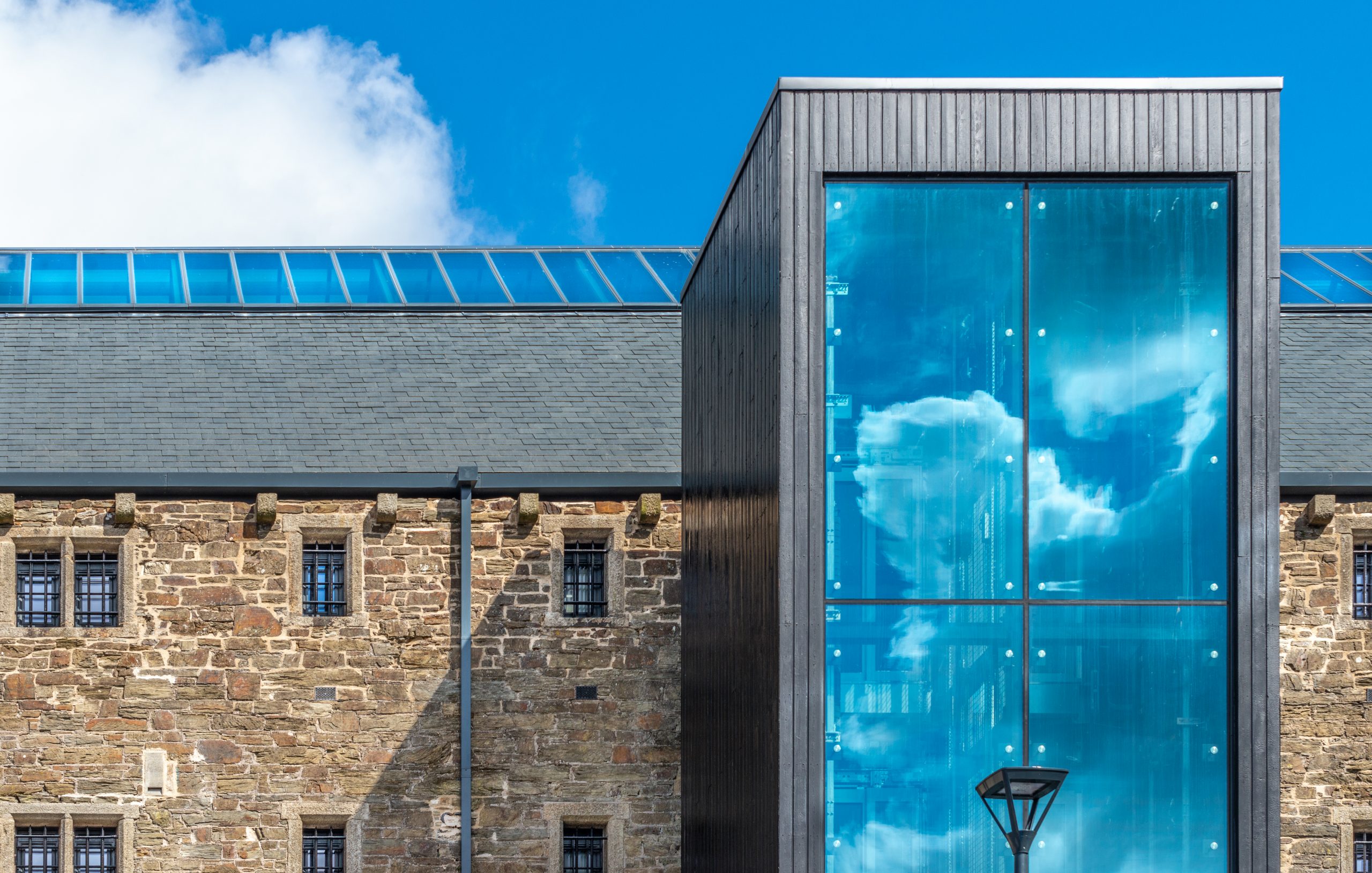
For long-term value, the gap is substantial. A roof that lasts twice as long reduces future expense, maintenance and disruption. This difference is especially important for heritage work, public buildings and premium new builds where replacement is costly and visually sensitive.
How do appearance and weathering compare?
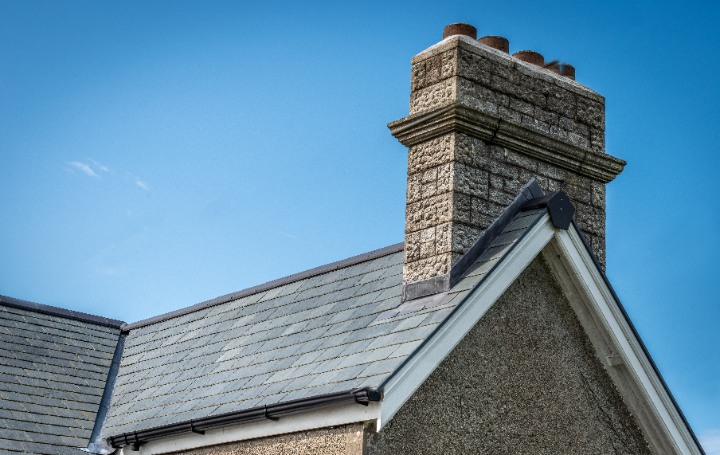
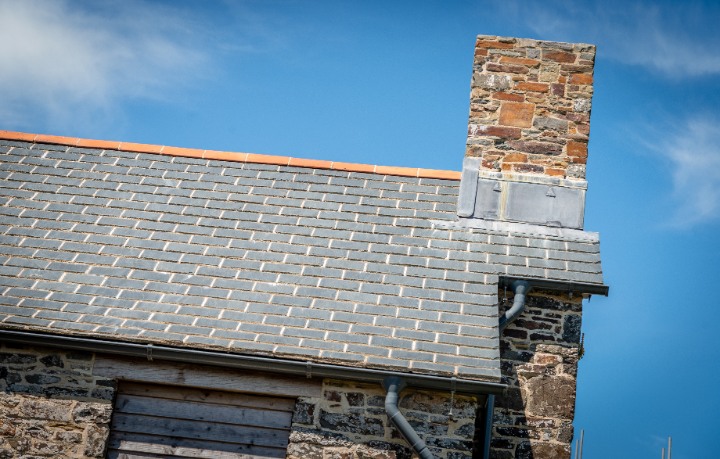
A roof’s visual quality is not only a design choice but a long-term performance consideration. Natural slate retains its colour, grain and texture because these characteristics are inherent to the stone. Fibre-cement slates rely on surface coatings which gradually wear.
Appearance: Natural slate
- Stable colour that does not fade
- Unique grain and texture formed naturally
- Distinctive options such as Del Carmen’s deep blue-black Spanish slate tone or Riverstone’s subtle grey sheen
Appearance: Fibre-cement slates
- Coatings and pigments can lighten or discolour
- Edges and surfaces may show uniformity that lacks the natural variation architects often want
- Weathering can expose the base substrate, altering the intended look
For high-value projects requiring long-term visual integrity, natural slate roof tiles offer a level of authenticity and stability for aesthetic appeal that factory finishes cannot consistently replicate.
Technical reliability and testing
Across the UK, BS EN 12326 defines performance requirements for natural roofing slate. Products such as SSQ’s Del Carmen and Riverstone meet W1-T1-S1 classifications for water absorption, thermal cycling and structural strength. Riverstone also carries ASTM C406 certification.
Fibre cement slates fall under different standards and rely heavily on manufacturing consistency. As coatings degrade, their weather resistance, water absorption and freeze-thaw performance may decline—especially in climates with highly variable weather.
Sustainability and environmental impact
Natural stone is one of the lowest-impact slate materials available. Quarrying, cutting and transportation represent its full environmental footprint. Fibre-cement slates require energy-intensive manufacturing and contain cement, which is responsible for an estimated 7% of global CO₂ emissions according to international climate reports.
Here’s why natural slate is considered more sustainable:
- Minimal processing
- No chemical additives
- Long service life reduces waste
- Full recyclability or reuse at end of life
- Excellent energy efficiency due to thermal mass
For developers pursuing long-term sustainability and whole-life carbon reduction, natural slate provides a strong pathway.
Documentation: what paperwork should you expect?
For compliance-driven projects, technical documentation is essential. SSQ provides fully traceable paperwork for every batch of natural slate. For SSQ natural slate, expect:
- Declaration of Performance (DoP)
- BS EN 12326 testing results
- Technical data sheets
- Certifications such as NF 228 for Del Carmen and ASTM C406 for Riverstone
- Weathertightness guarantee for Riverstone
Fibre-cement slates require documentation covering manufacturing consistency and coating performance, but long-term stability is harder to guarantee because the material changes as it ages.
Comparison table: natural slate vs fibre cement slates
| Criteria | Natural slate (e.g. Del Carmen, Riverstone) | Fibre-cement slates |
|---|---|---|
| Service life | 80–100+ years; Riverstone backed by a 100-year guarantee | 30–40 years |
| Appearance | Colourfast, natural grain, unique character | Coated surface may fade; uniform look |
| Standards | BS EN 12326; NF 228 (Del Carmen); ASTM C406 (Riverstone) | Fibre-cement standards; dependent on manufacturing consistency |
| Weather resistance | High resistance to freeze-thaw and UV | Coatings may wear, affecting performance |
| Sustainability | Low embodied carbon; recyclable | Cement-based; higher embodied carbon |
| Long-term value | High | Limited by shorter lifespan |
Why do specifiers choose Riverstone and Del Carmen?
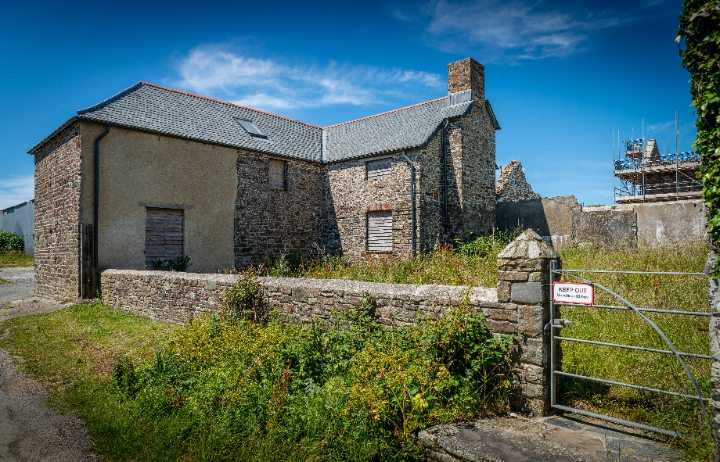
Riverstone and Del Carmen are widely recognised for their consistency, traceability and performance. Both are supplied directly by SSQ, ensuring tight quality control at every stage.
Riverstone phyllite
- Metamorphic stone older and denser than standard slate
- BS EN 12326 W1-T1-S1
- ASTM C406
- Distinctive grey sheen
- 100-year weathertightness guarantee
Del Carmen slate
- Quarried from a single consistent vein in northern Spain
- Deep blue-black colour and fine grain
- BS EN 12326 W1-T1-S1
Both products are accepted by English Heritage and Heritage Scotland and offer predictable performance backed by independent testing, giving specifiers confidence when working on high-profile or compliance-sensitive projects.
Where does the biggest long-term difference occur?
For many projects, the key turning point comes when whole-life cost is considered. The initial saving offered by fibre-cement slates is quickly outweighed by the need for earlier replacement and the risk of aesthetic deterioration. Using natural slate once, rather than replacing a fibre-cement roof after a few decades, avoids future disruption, reduces lifetime carbon output and preserves the intended architectural design.
What should specifiers prioritise when choosing between natural slate and fibre cement slates?
When comparing natural slate vs fibre cement slates, it helps to review four essential criteria:
- Service life – will the roof still perform in 50–100 years?
- Documentation – are test results traceable, consistent and aligned with relevant standards?
- Visual stability – will the appearance remain intact throughout the roof’s lifespan?
- Sustainability – does the material support whole-life carbon reduction goals?
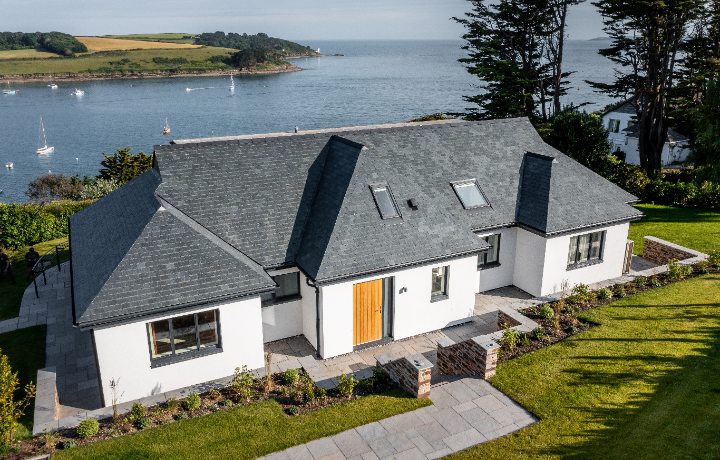
Natural slate performs strongly across all four areas, and Riverstone and Del Carmen supply the added assurance of consistent quality, rigorous testing and reliable compliance supported by SSQ’s specialist technical team.
Key takeaways
- Natural slate provides a significantly longer service life than fibre-cement alternatives
- Appearance remains stable because colour and texture are intrinsic to the stone
- SSQ slates meet stringent international standards and come with verifiable documentation
- Fibre-cement slates have higher embodied carbon and rely on coatings that deteriorate over time
- For premium developments, the long-term value of natural slate outweighs lower upfront costs
Speak to SSQ for expert specification guidance
If you are comparing natural slate vs fibre cement slates for an upcoming project, SSQ can provide technical advice, documentation and samples for Riverstone and Del Carmen. Our team works closely with architects, contractors and specifiers to ensure each project receives a durable, compliant and visually robust roofing solution.
For guidance on the best type of roofing material, samples or specification support, contact SSQ today.