Why natural slate is still king
Spanish slate offers the longest lifespan (100+ years) and the lowest lifecycle costs (from about £0.25–£0.60/m² yearly) compared to fibre cement (around 30 years, ~£1.10/m² yearly) and clay tiles (40–50 years, ~£1.25/m² yearly). While all materials have their place, high-quality Spanish slate delivers superior durability, minimal maintenance and major environmental advantages—saving around 6.2 tons of CO2 and 35% water use per 100m² property versus fibre cement alternatives.
With over 40 years’ expertise supplying world-class natural slate and guarantees of up to 100 years, SSQ has compared Spanish slate against the most common alternatives to help you choose the best long-term roofing solution.
Download the brochure
Incomparable aesthetics and the strength to last a lifetime
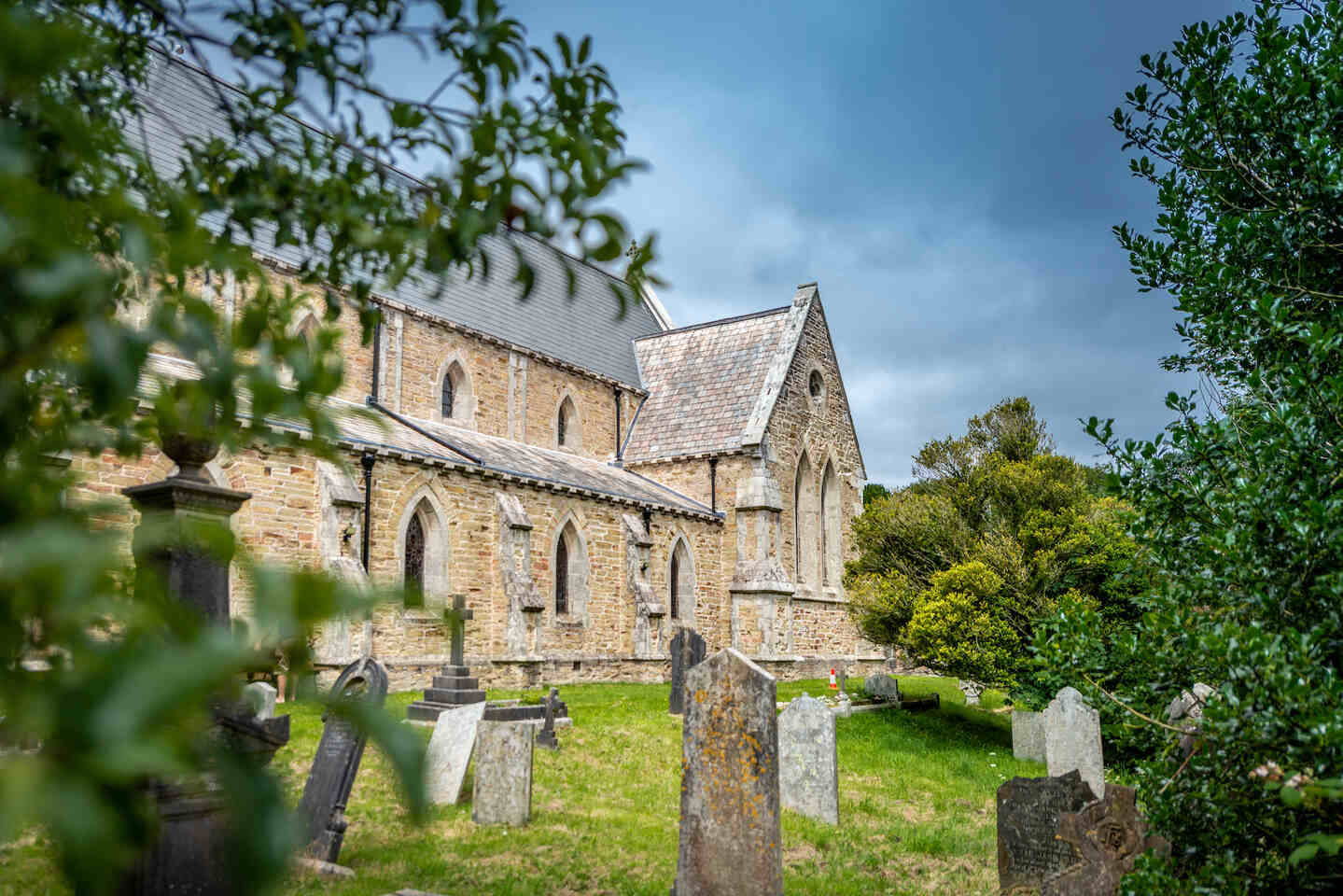
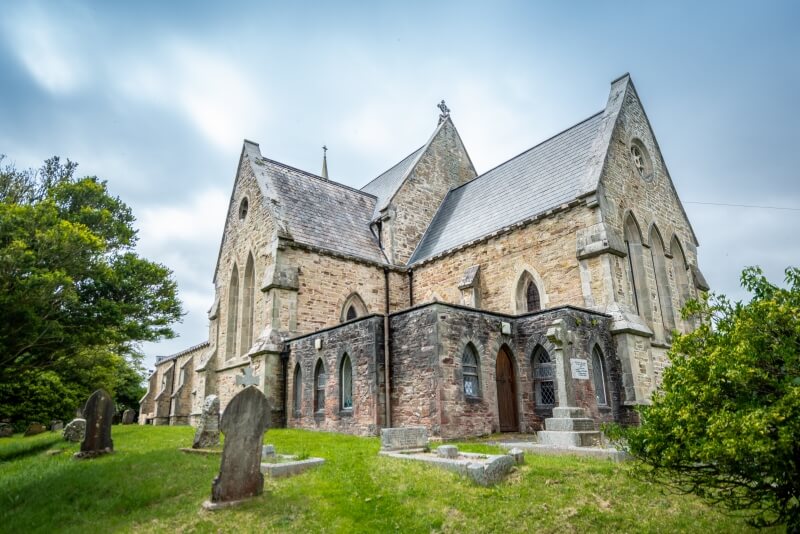
Man-made materials might have a lower upfront cost, but none come close to matching the timeless looks of pristine natural slate – and what’s more, slate alternatives like fibre cement, concrete and clay tiles will need replacing several times during the 100-year lifespan of quality natural slate.
Roofing Materials Comparison Overview
| Material | Typical lifespan | Water absorption | Weather resistance | Maintenance | Approx. annual lifecycle cost |
|---|---|---|---|---|---|
| Spanish slate (premium) | 100+ years | 0.2–0.6% | Excellent | Minimal | ~£0.60/m² |
| Spanish slate (standard) | 50+ years | 0.2–0.6% | Excellent | Minimal | ~£0.84/m² |
| Clay tiles | 40–50 years | ~6% | Good | Moderate | ~£1.25/m² |
| Fibre cement | ~30 years | Higher (absorbs water) | Moderate | Frequent | ~£1.10/m² |
| Concrete tiles | 30–60 years | Up to ~13% (untreated) | Moderate | Moderate–frequent | Variable |
This comparison shows a simple truth: cheaper upfront options often lead to higher lifetime costs
through replacement cycles, more maintenance and a bigger carbon footprint.
Natural Slate: Durability and Performance
Exceptional Lifespan and Certified Performance
Spanish slate routinely outlasts the buildings it protects. Standard SSQ slate typically lasts 50+ years, while premium ranges regularly achieve 100+ years in service.
Quarried from the Cabrera Mountains in North-West Spain, the rock is split along natural cleavage planes using low-power electric diamond cutters and skilled hand-splitting, preserving the stone’s natural strength.
High-quality Spanish slate carries EN 12326 A1-T1-S1 certification, the highest European classification for roofing slate:
• A1 – extremely low water absorption
• T1 – resistance to 100+ freeze–thaw cycles
• S1 – resistance to sulphur dioxide and urban pollution
Weather, Fire and Waterproofing Performance
Spanish slate’s water absorption of just 0.2–0.6% means very little moisture penetrates the tile, giving excellent resistance to freeze–thaw damage in UK conditions. Its typical weight (around 25kg/m²) and correct fixing help the roof exceed normal UK building code requirements for wind and storm resistance.
Slate is naturally waterproof; overlapping tiles shed water away from the structure without relying on paints, sealants or membranes. Slate is also non-combustible and achieves a Class A fire rating under UK standards, so it will not burn, contribute to fire spread or release toxic fumes at high temperatures.
Aesthetic and Architectural Appeal
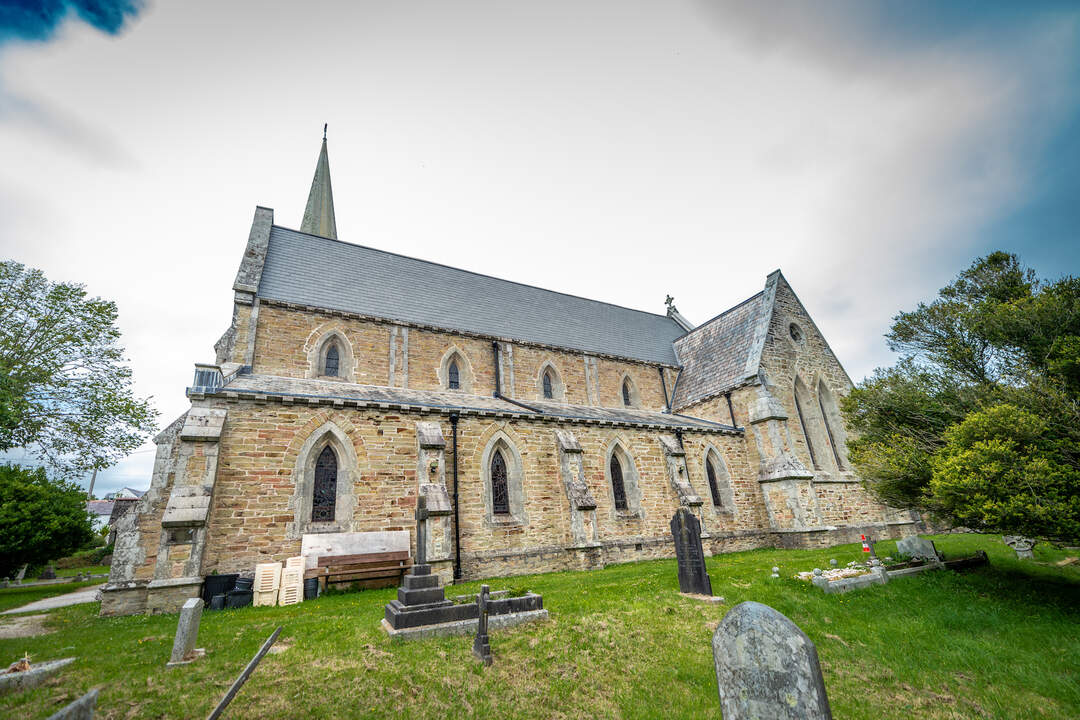
Spanish slate offers a deep blue-black colour and subtle natural variation that manufactured products struggle to match. For listed buildings, conservation areas and period homes, this authenticity is often essential for planning approval, while modern schemes benefit from slate’s clean lines and premium finish.
Get a free quote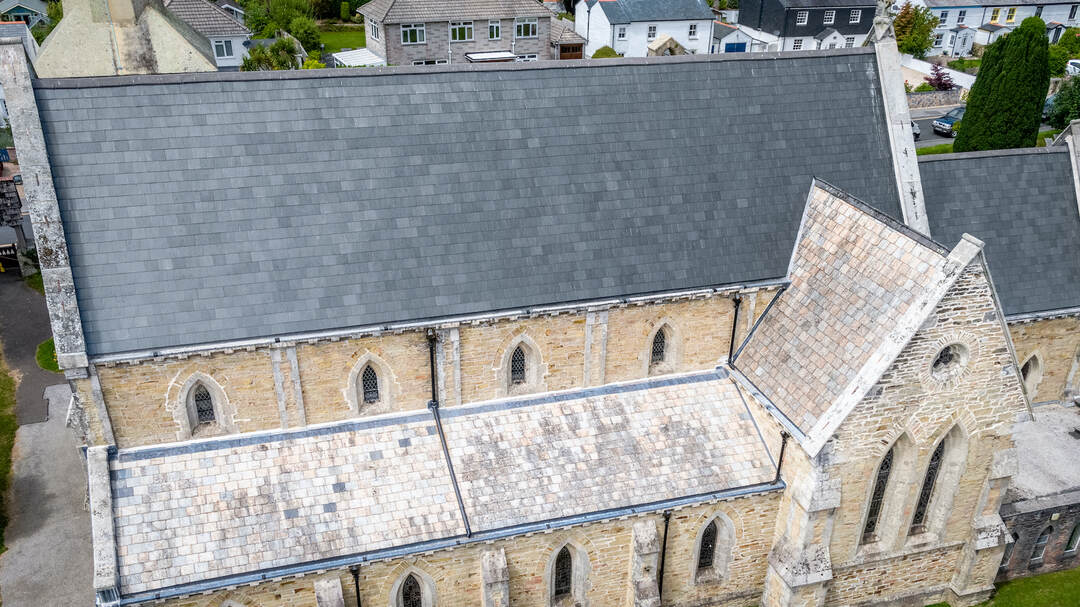
How Alternatives Compare on Cost and Performance
Fibre Cement Tiles
Fibre cement tiles are manufactured products engineered for uniformity but lack the natural variation and depth of slate. Typical costs are around £18/m² for material plus about £15/m² for installation. With a lifespan of roughly 30 years, that equates to around £1.10 per m² per year.
UV exposure and weathering can cause the surface finish to fade and coatings to deteriorate, so tiles often require professional repainting every 10–15 years. Because fibre cement absorbs more water than slate, protective coatings or sealants are needed to limit moisture ingress. When these fail, the material can deteriorate and individual tiles may crack or need replacement.
Clay Tiles
Clay tiles suit many traditional UK property styles with their warm terracotta and earthy tones. Typical costs are around £40/m² for material plus about £15/m² for installation. With an average 40-year life, that works out at roughly £1.25 per m² per year.
Average water absorption is around 6%, much higher than slate. In UK freeze–thaw conditions this increases the risk of cracking and spalling. Maintenance usually involves periodic replacement of cracked tiles, occasional moss treatment and routine inspections.
Concrete Tiles
Concrete tiles generally last 30–60 years depending on quality and exposure. They can absorb up to around 13% water if untreated and tend to be heavier and bulkier, which may not suit all roof structures. Their embodied carbon is significantly higher than natural slate and they offer limited aesthetic appeal for heritage or high-end projects.
Contact usHow Much Does Spanish Slate Cost in the UK?
In UK projects, Spanish slate is a popular choice for both new build and refurbishment. As a guide:
• Standard SSQ natural slate might cost around £22/m² for material plus £20/m² for installation, giving a 50-year roof life at about £0.84 per m² per year.
• Premium SSQ Spanish slate may cost around £45/m² for material plus £15/m² for installation, with a 100-year roof life at roughly £0.60 per m² per year—and in some long-life scenarios, as low as 25p per m² per year.
Despite higher upfront costs than fibre cement or concrete, Spanish slate becomes the most economical option once its extended lifespan and minimal maintenance are factored in.
Contact us
Environmental Impact: Slate vs Alternatives
Spanish slate requires very little industrial processing: low-power extraction, hand-splitting, no chemical additives and a relatively short quarry-to-roof supply chain. As a result, it produces as little as 0.005–0.054kg of CO2 per kilogram of material.
By contrast:
Concrete tiles have an embodied carbon of around 0.19kg CO2/kg.
Clay tiles are higher still, at roughly 0.43kg CO2/kg.
Fibre cement involves energy-intensive mixing, compression and autoclaving.
Over a full roof life, these differences become significant. A 100m² Spanish slate roof can save around 6.2 tons of CO2 compared to fibre cement over 100 years, because it avoids multiple production and replacement cycles.
Water consumption is also lower: around 65,000 litres per 100m² for slate versus about 100,000 litres for fibre cement—a 35% reduction. Spanish slate is 100% recyclable and can be reused directly as architectural salvage, while mixed-material products like fibre cement are harder to recycle and more likely to end up in landfill.
Request QuoteInstallation and Specialist Expertise
Installing slate roofing demands more skill than fitting standard tiles. Specialist slate roofers use dedicated tools and proven fixing techniques; when details such as headlap, flashing and ventilation are handled correctly, slate roofs deliver outstanding performance with minimal ongoing attention.
How to Choose the Right Roofing Material
The best roofing material for your project depends on your priorities and constraints:
Ownership horizon: If you plan to own the property for 20+ years, Spanish slate’s lifespan, low maintenance and resale appeal often justify the higher upfront investment.
Structure and planning: Slate weighs around 25kg/m² and requires adequate structural support. In conservation areas or on listed buildings, natural slate is often required or strongly preferred to maintain architectural character and secure planning approval.
Maintenance appetite: If you prefer a “fit-and-forget” roof, slate’s minimal maintenance is a major advantage over materials that need repainting, resealing or frequent tile replacement.
Sustainability goals: Where carbon footprint, longevity and recyclability are priorities, Spanish slate offers clear advantages compared with manufactured alternatives.
Get In Touch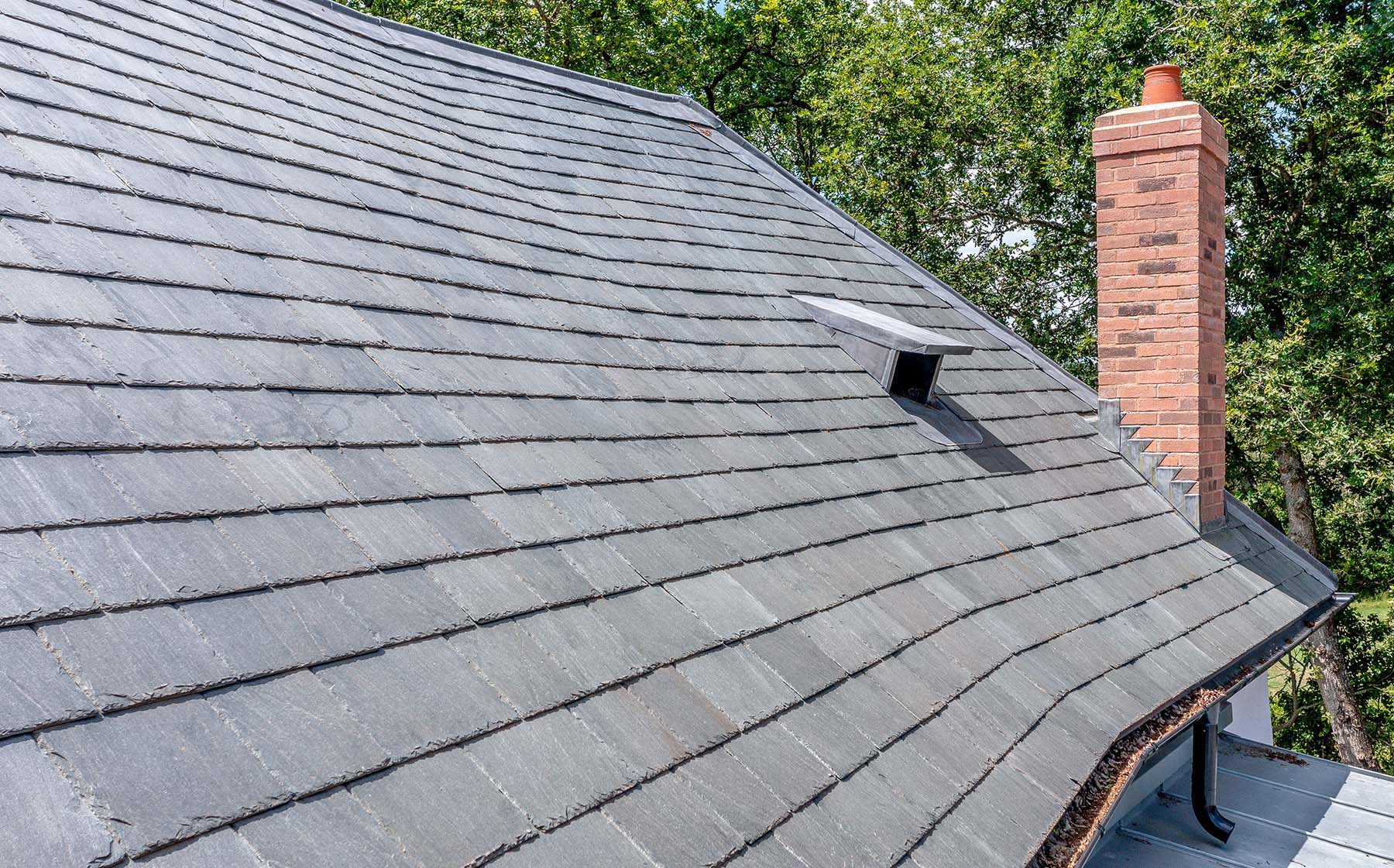
Frequently Asked Questions
How long does Spanish slate actually last?
High-quality Spanish slate certified to EN 12326 A1-T1-S1 can typically perform for 100+ years when installed and detailed correctly. Standard grades still offer lifespans of 50 years or more.
Is natural slate more expensive than other roofing options?
Upfront material and installation costs for Spanish slate are usually 30–50% higher than alternatives such as fibre cement or concrete tiles. However, when you spread that cost over a 50–100-year lifespan and factor in minimal maintenance, the annual lifecycle cost (roughly £0.84/m² for standard slate and around £0.60/m² for premium) is lower than fibre cement (~£1.10/m²) and clay tiles (~£1.25/m²).
Is slate roofing environmentally friendly?
Yes. Spanish slate combines low manufacturing emissions, long service life and full recyclability. Over a 100-year roof life, a 100m² Spanish slate roof can save around 6.2 tons of CO2 and 35% water usage compared with fibre cement alternatives, making it one of the most sustainable roofing choices available.
Contact UsBrowse our range of natural slates


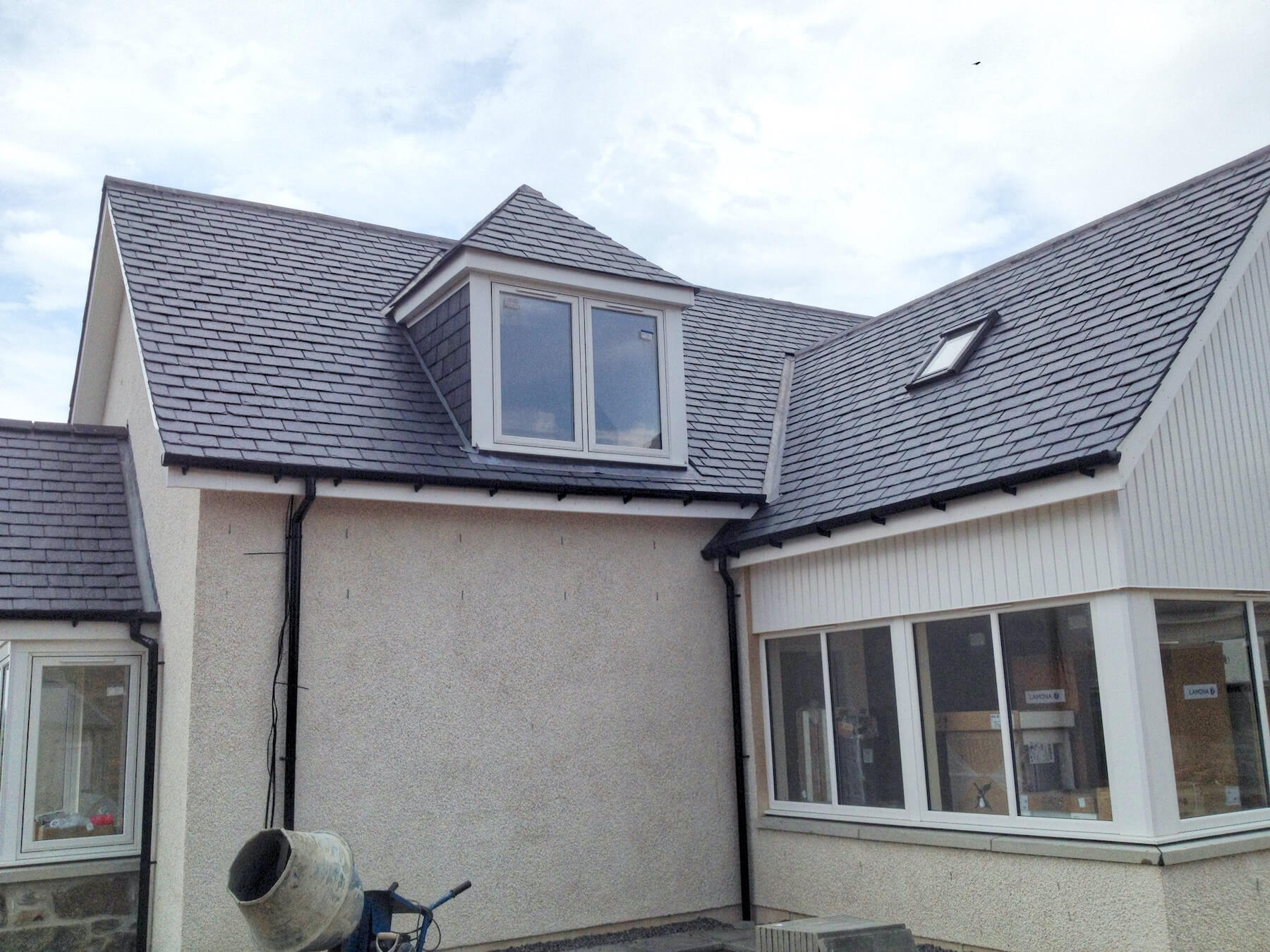
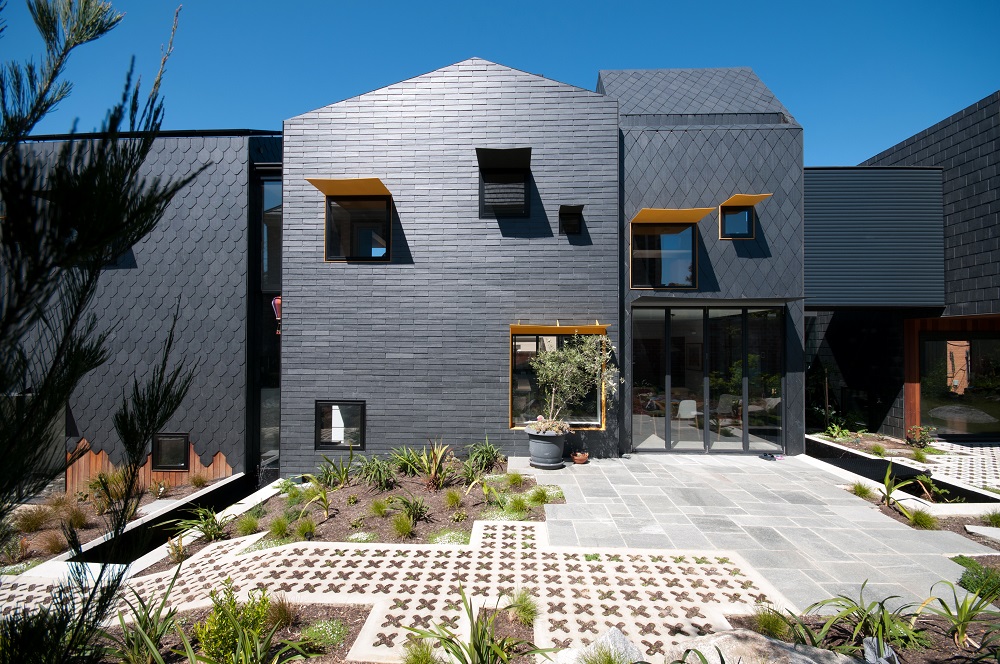
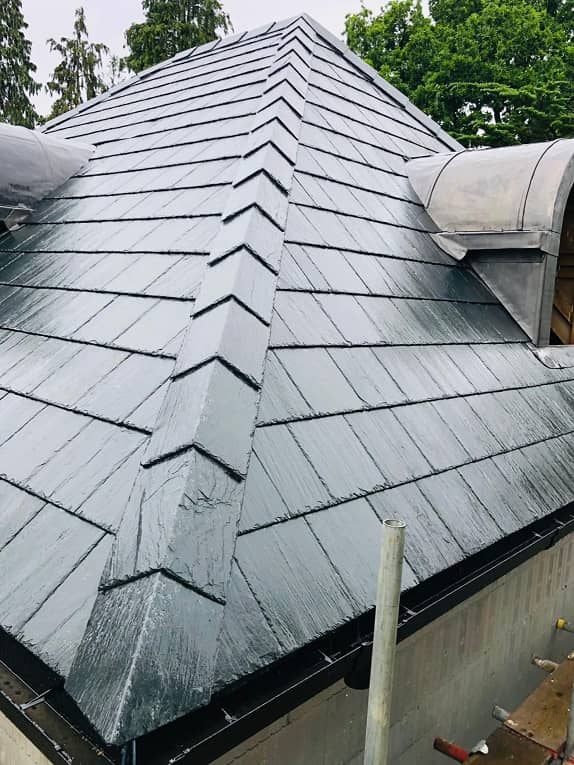
Testimonials
The choice of SSQ Del Carmen was made easier after confirmation that it had gained approval for use in the Welsh National Parks as an alternative to indigenous materials. We were also pleased with the level of technical, design and on-site support we received from SSQ.
The Hafod Renewal Office
Testimonials
Working in a conservation area brings a special responsibility. SSQ Riverstone slate fits perfectly, its tone and texture blending seamlessly with its surroundings.
Joan Kinane, Architect
Testimonials
Everyone liked Sarria: the client was delighted with its appearance and its consistency made it easy to cut and lay.
Gary Lambert, Complete Roofing Contractors
Testimonials
With the roofs being such a visible feature, the choice of roofing slate was a significant decision. We involved the roofing contractor at an early stage in the selection process and they recommended SSQ’s Del Carmen Blue-black slates. Although it’s not an indigenous slate, it is an excellent match for the originals and, having used Spanish slate on other projects, we know the quality is there.
Richard Thorpe, Ridge and Partners LLP
Testimonials
SSQ Rocaber Blue-grey slate was actually chosen at the initial design-concept stage. A natural slate roof was in keeping with the traditional local architecture.
Tom Ewan, Architect at Model Developments
Testimonials
The choice of slates was made easier due to the quality of product you provide and the support of Gary Firth throughout the process – which I much appreciate. Gary is a good ambassador for your company.
Pat Murray, Senior Project Engineer, Alvance Group
Testimonials
With so many ‘interested parties’ the local planners set their minds on a natural slate roof at a very early stage of the project and, from this starting point, we needed something that would satisfy a number of technical and aesthetic requirements – SSQ Domiz blue-grey, was the one chosen for use to compliment the local ‘Shere Green’ colour.
Ben Hunt, Total Project Integration
Testimonials
We specified SSQ First Domiz Blue-grey roofing slate for both technical and aesthetic reasons:its strength and quality gives the performance needed and its cold, hard, colour provides a dramatic foil to the rich warmth of the western red cedar walls.
Mark Webber, Architect, Nichols Brown Webber
Testimonials
The quality and strength were there, the colour was similar to indigenous Welsh slate and its ‘traditional’ look was in keeping with the surrounding community. In fact, as I had used it on my own Edwardian house, I knew it was a good slate!
Julian Bohling, OSP Architecture
Testimonials
Being both high quality and cost-effective, Matacouta slate from SSQ is proving very popular with specifiers and contractors alike for refurbishment as well as for new build projects.
Mr Roy Clark, Baxter Clark and Paul
Testimonials
It was an absolute pleasure to meet you today, and I just wanted to take a moment to thank you for your time and a wonderfully informative CPD.
The whole team really enjoyed it, and you definitely conveyed your passion and knowledge of your products!
I would say I will keep SSQ in mind for future projects, but they always have been. However, I have definitely left with a need to utilise more slate in my design work!
Michael Clifton BSc ACIAT - Oakbridge Bespoke Homes Ltd
Testimonials
We put forward Riverstone as a cost-effective, yet high quality alternative to Welsh Slate, and it was accepted on that basis. The refurbishment work has now been completed and both the owners and ourselves are very happy with the result.
Keith Hicks Architect at Pave Hall