Newham, London
Products Used
Restoring a Grade II Listed Landmark
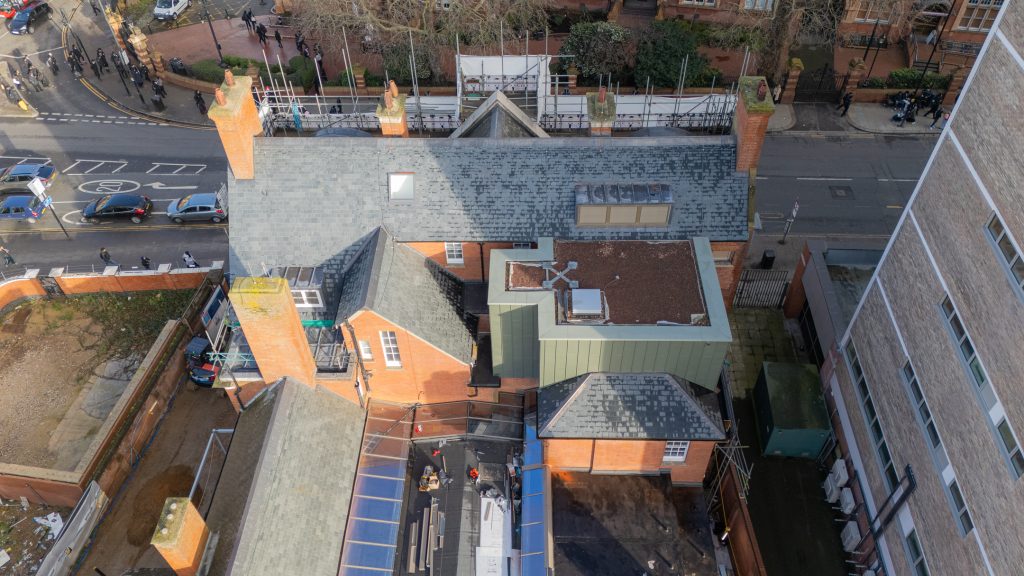
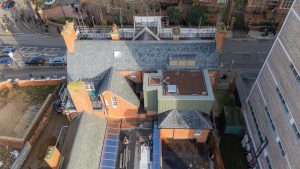
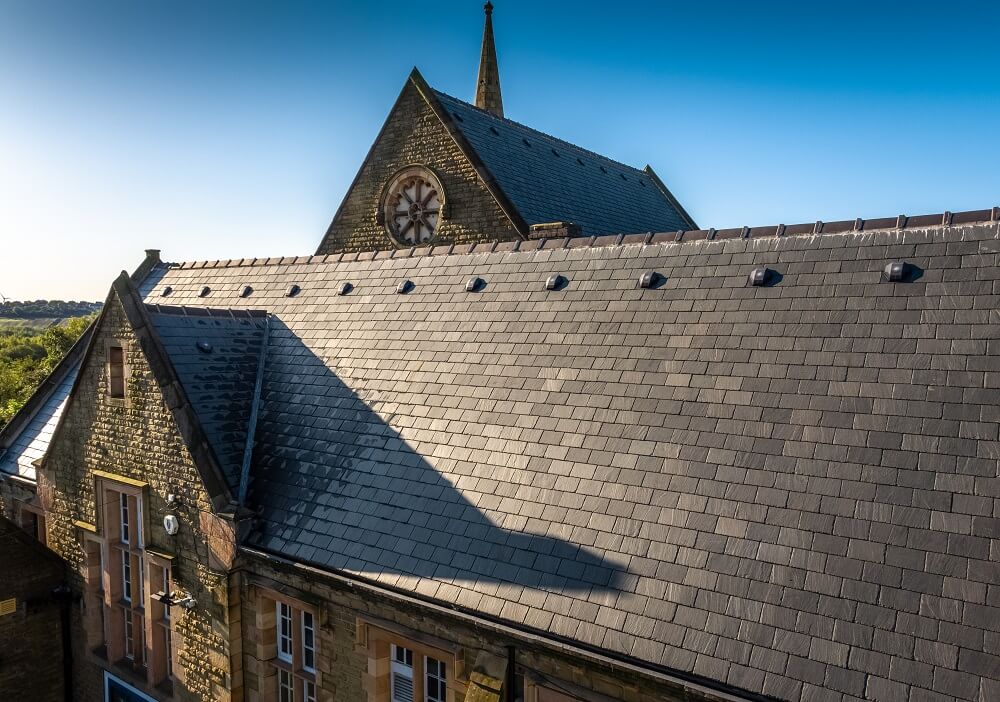
The transformation of Newham Collegiate Sixth Form Centre at the Former East Ham Police Station, Newham, London, demonstrates how natural slate can successfully bridge the gap between heritage conservation and modern educational development. As part of the restoration and expansion of this Grade II listed Edwardian landmark, the roofing specification required a slate capable of faithfully replicating the building’s historic character while delivering the long-term performance expected from a contemporary roofing system.
Originally constructed in 1904, the former police station had stood derelict for many years before being redeveloped into an expanded sixth form campus. A core project objective was to preserve as much of the building’s original architectural identity as possible, making the roof one of the most critical elements of the restoration.
Why SSQ Riverstone Random Slate Was Specified
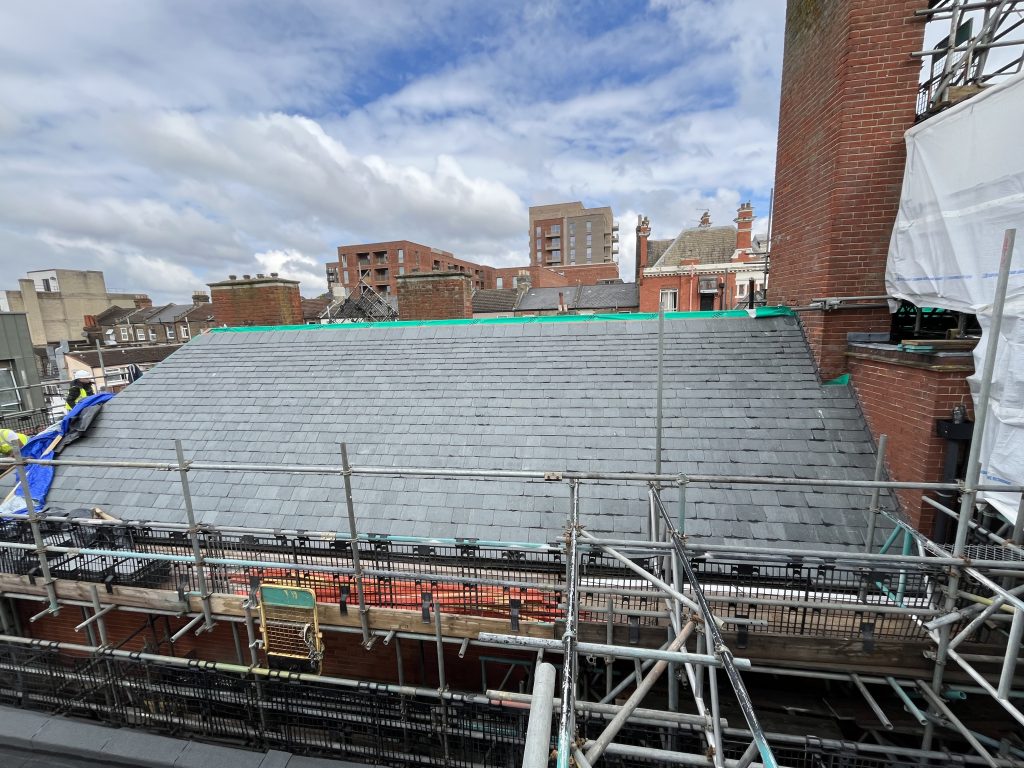
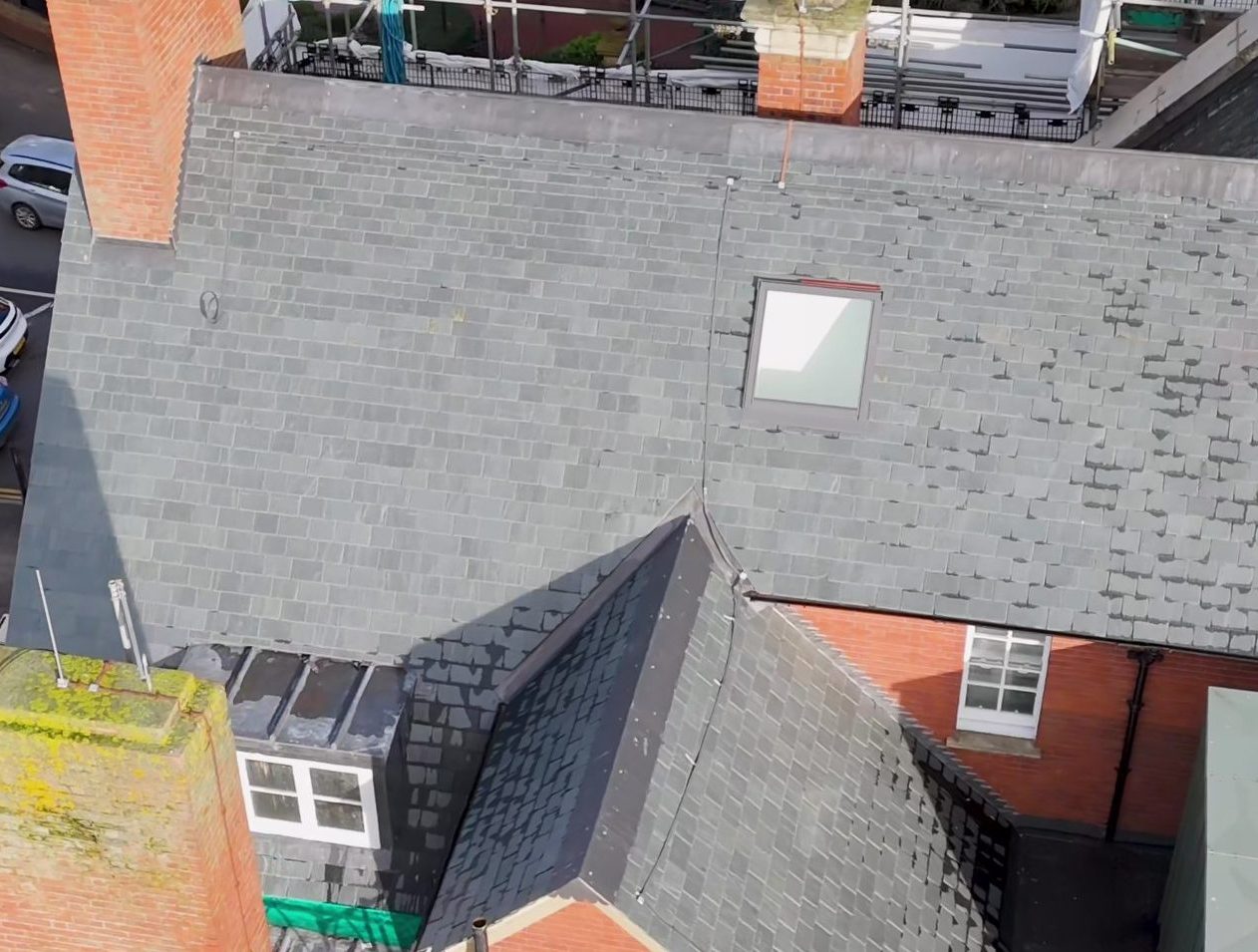
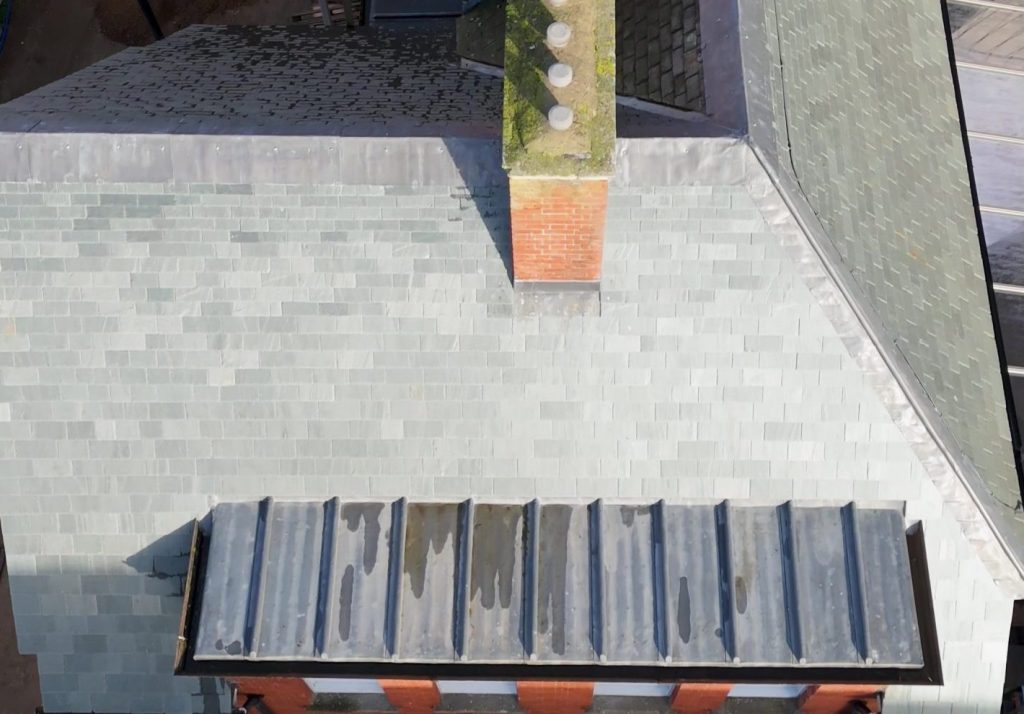
To meet these requirements, 17 tonnes of SSQ Riverstone Random slate were specified across approximately 470 to 500m² of roof area. The slate was chosen for its remarkable similarity to traditional Westmorland slate, matching both the colour and appearance of the original roofing materials. Its availability in random lengths ranging from 500mm to 300mm enabled the project team to accurately recreate the authentic character of a traditional random slate roof.
A key challenge facing the project was the limited availability and poor condition of salvaged roofing slates. Following detailed assessment and consultation, SSQ Riverstone Random slate was approved as a suitable alternative, supported by independent geological reports confirming comparable properties and long-term performance characteristics to the original Westmorland slate. This was instrumental in securing acceptance for the heritage restoration strategy.
Traditional Random Slate Roofing Techniques
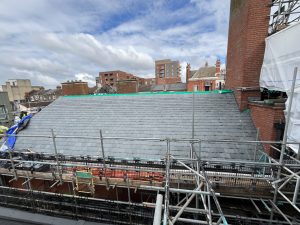
The installation process showcased the craftsmanship associated with traditional random slating. Every slate was individually sorted and graded by size before installation. Detailed setting-out and story rod calculations were used to establish accurate batten gauges, with slate sizes gradually reducing towards the ridge to create a visually balanced and historically authentic appearance. The slates were then installed in a traditional broken-bond pattern, requiring constant attention to slate selection and course transitions throughout the roofing works.
This meticulous approach not only replicated the appearance of the original roof but also demonstrated the flexibility of natural slate in complex heritage roofing applications. The project highlights how random slate roofing techniques continue to play a vital role in the restoration of historic buildings across the UK.
Heritage Roofing Details and Weatherproofing
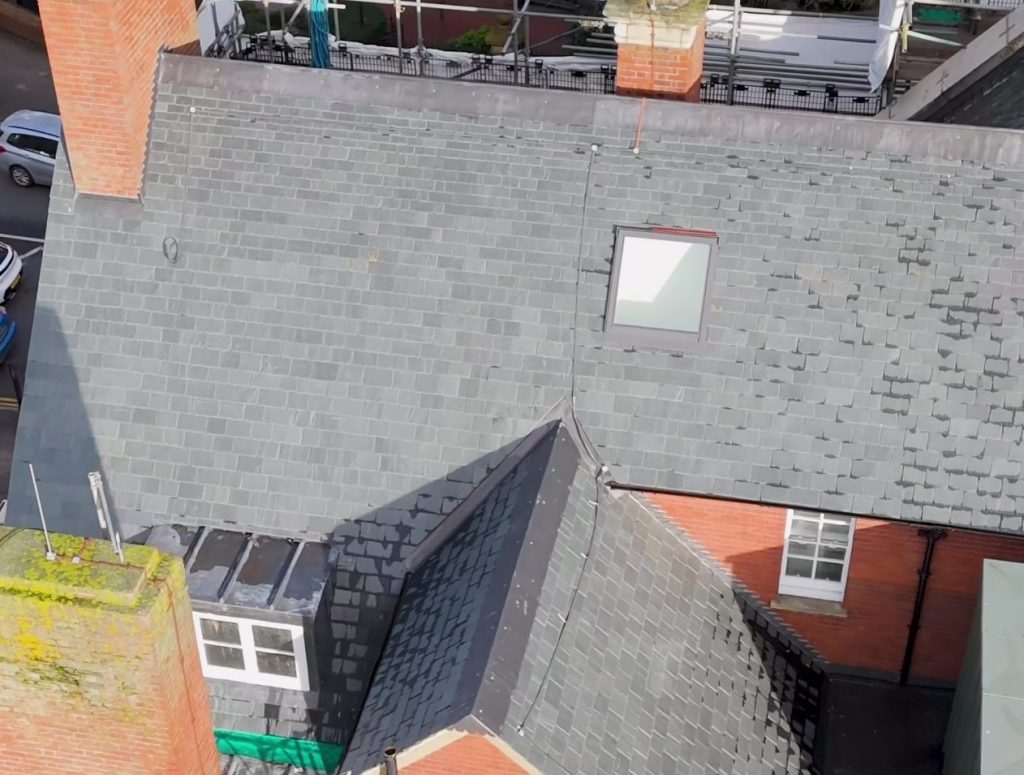
The finished roof incorporates traditional leadwork and high-performance flashings around chimneys, valleys and gables, providing robust weather protection while complementing the building’s historic architecture. These heritage roofing details were essential in supporting extensive structural repairs and ensuring the refurbished building remains protected from the elements for decades to come.
Natural Slate for Listed Building Restoration
One of the project’s greatest successes was demonstrating that a premium natural slate can satisfy both conservation officers and modern construction requirements. The acceptance of Riverstone Random slate was helped by its close visual match to the original roof covering and its proven durability, ensuring the building retains its authentic appearance while benefiting from a reliable, long-term roofing solution.
A Benchmark for Historic Building Conservation
Today, Newham Collegiate stands as an excellent example of listed building roof restoration using natural slate. By combining the authenticity of SSQ Riverstone Random slate with exceptional craftsmanship, the project demonstrates how historic buildings can be sympathetically restored while meeting modern performance standards, conservation requirements and long-term durability expectations.